How to Build a Sustainable Fashion Wardrobe: Eco-Friendly Brands, Ethical Clothing, Fabric Choices, Clothing Care, and Slow Fashion Tips
Fashion is one of the easiest ways to express your personality, but it also has a significant impact on the environment. Every year, millions of tons of clothing end up in landfills, while fast fashion continues to consume enormous amounts of water, energy, and raw materials. The good news is that you don’t have to completely change your lifestyle to make a positive difference.
Building a sustainable fashion wardrobe is about making smarter choices rather than buying more clothes. It focuses on quality instead of quantity, timeless designs instead of short-lived trends, and responsible shopping instead of impulse purchases. Whether you’re just getting started or looking to improve your current wardrobe, adopting sustainable fashion habits can save money, reduce waste, and help protect the planet.
What Is Sustainable Fashion?
Sustainable fashion refers to clothing that is designed, produced, distributed, and used in ways that minimize environmental damage while supporting fair treatment of workers. It considers every stage of a garment’s life, from sourcing raw materials to manufacturing, transportation, consumer use, and eventual recycling.
Unlike fast fashion, which encourages constant buying and frequent disposal, sustainable fashion promotes long-lasting clothing that can be worn for years.
The core principles include:
- Buying fewer but better-quality clothes
- Choosing environmentally friendly materials
- Supporting ethical labor practices
- Reducing textile waste
- Extending the lifespan of garments
- Recycling or donating unwanted clothing
A sustainable wardrobe doesn’t have to be expensive or complicated. It’s about thoughtful purchasing and responsible ownership.
Why Fast Fashion Is a Problem
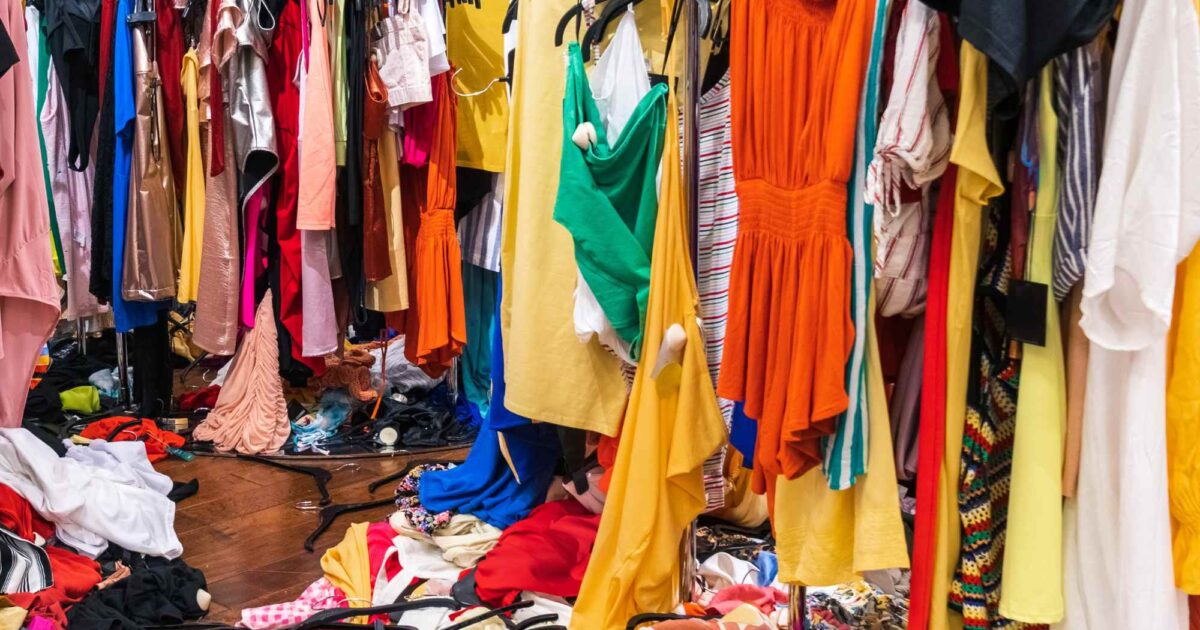
Fast fashion brands release new collections almost every week, encouraging consumers to buy more than they need. While inexpensive clothing may seem attractive, the hidden environmental and social costs are enormous.
Some major concerns include:
Massive Textile Waste
Millions of garments are discarded every year because they wear out quickly or go out of style. Many synthetic fabrics take decades or even centuries to decompose.
High Water Consumption
Producing cotton clothing requires significant amounts of water. Dyeing and finishing textiles also contribute to water pollution worldwide.
Carbon Emissions
Manufacturing, transportation, and global shipping generate substantial greenhouse gas emissions.
Poor Working Conditions
Many garment workers face unsafe environments, long hours, and unfair wages in countries where labor protections may be limited.
Understanding these issues helps explain why choosing sustainable alternatives matters.
Start by Evaluating Your Current Wardrobe
Before buying anything new, take inventory of what you already own.
Separate your clothing into categories:
- Everyday basics
- Workwear
- Formal clothing
- Seasonal items
- Shoes
- Accessories
Ask yourself:
- What do I wear most often?
- Which items haven’t been worn in a year?
- What pieces need repairs?
- Which colors match well together?
- Are there duplicates?
This simple exercise often reveals that many people already own enough clothing for most situations.
Build a Capsule Wardrobe
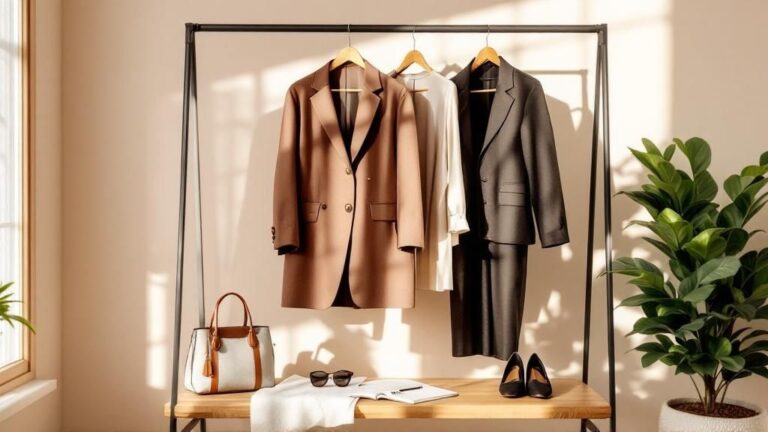
A capsule wardrobe contains a carefully selected collection of versatile clothing that works well together.
Instead of owning dozens of similar shirts, focus on fewer high-quality pieces that can be mixed and matched.
A sustainable capsule wardrobe often includes:
- Neutral-colored T-shirts
- Well-fitted jeans
- Classic trousers
- Button-up shirts
- Comfortable sweaters
- Lightweight jackets
- Blazers
- Sneakers
- Boots
- Everyday accessories
Neutral colors such as black, white, gray, navy, olive, and beige create countless outfit combinations while reducing unnecessary purchases.
Choose Quality Over Quantity
One of the biggest principles of slow fashion is buying clothes that last.
Higher-quality garments may cost more initially, but they often last several years longer than cheaper alternatives.
When shopping, examine:
- Strong stitching
- Durable seams
- High-quality zippers
- Secure buttons
- Thick fabric
- Reinforced hems
Instead of buying five inexpensive shirts that lose shape after several washes, invest in one durable shirt that maintains its appearance.
Over time, this approach usually saves money.
Learn About Sustainable Fabrics
Fabric choice plays a major role in environmental impact.
Here are some of the most sustainable materials available.
Organic Cotton
Organic cotton is grown without harmful pesticides and synthetic fertilizers. It generally uses farming methods that are better for soil health and biodiversity.
Benefits include:
- Soft texture
- Breathable
- Biodegradable
- Comfortable for everyday wear
Linen
Made from flax plants, linen is one of the oldest and most environmentally friendly fabrics.
Advantages include:
- Requires less water
- Highly durable
- Naturally breathable
- Gets softer over time
Hemp
Hemp has become increasingly popular in sustainable fashion.
It offers:
- Excellent durability
- Low water requirements
- Minimal pesticide use
- Natural resistance to pests
TENCEL™ Lyocell
Produced from responsibly sourced wood pulp, TENCEL is known for its environmentally responsible manufacturing process.
Benefits include:
- Soft feel
- Moisture-wicking
- Biodegradable
- Comfortable for warm weather
Recycled Polyester
While polyester itself is synthetic, recycled polyester reduces plastic waste by using recycled bottles and existing materials.
Although it still sheds microplastics during washing, it’s generally more sustainable than producing new polyester.
Recycled Wool
Using recycled wool reduces the demand for new animal fibers while keeping valuable textiles in circulation.
Fabrics to Use Carefully
Some fabrics have larger environmental footprints.
These include:
- Conventional cotton
- Virgin polyester
- Acrylic
- Nylon
- Cheap synthetic blends
While it’s not necessary to eliminate them entirely, choosing more sustainable alternatives whenever possible helps reduce environmental impact.
Support Ethical Clothing Brands
Ethical fashion focuses on the people who make clothing.
Responsible brands typically provide:
- Fair wages
- Safe working conditions
- Reasonable working hours
- Transparent supply chains
- Sustainable sourcing
When researching a brand, look for information about:
- Manufacturing locations
- Labor standards
- Sustainability reports
- Material sourcing
- Environmental commitments
Transparency is often a positive sign that a company takes responsibility for its practices.
Buy Less, Think More
One of the easiest ways to become more sustainable is simply buying fewer clothes.
Before making a purchase, ask yourself:
- Will I wear this at least 30 times?
- Does it match clothes I already own?
- Is it replacing something worn out?
- Is the quality worth the price?
- Do I actually need it?
Waiting 24 to 48 hours before purchasing non-essential clothing can help reduce impulse buying.
Shop Second-Hand
Buying pre-owned clothing is one of the most environmentally friendly shopping habits.
Second-hand shopping extends the life of garments without requiring additional manufacturing.
Popular places include:
- Thrift stores
- Charity shops
- Vintage boutiques
- Online resale marketplaces
- Local clothing swaps
Many second-hand items are high quality and available at a fraction of their original price.
Rent Instead of Buying
Formal events often require clothing that may only be worn once.
Instead of purchasing expensive outfits, consider renting:
- Wedding guest attire
- Designer dresses
- Tuxedos
- Evening gowns
- Special occasion accessories
Rental services reduce unnecessary production while allowing people to enjoy premium fashion without permanent ownership.
Take Better Care of Your Clothes
Proper clothing care significantly extends garment life.
Simple habits include:
Wash Less Frequently
Many clothes don’t need washing after every wear.
Items like jeans, sweaters, and jackets often stay fresh longer than people realize.
Wash in Cold Water
Cold water:
- Uses less energy
- Protects fabric fibers
- Helps maintain color
- Reduces shrinking
Air Dry When Possible
Dryers cause fabric wear over time.
Air drying helps:
- Preserve elasticity
- Prevent fading
- Lower electricity use
- Extend clothing lifespan
Follow Care Labels
Manufacturers provide washing instructions for a reason.
Ignoring them often shortens garment life.
Store Clothes Properly
Use:
- Wooden hangers for jackets
- Folded storage for sweaters
- Shoe trees for leather shoes
- Garment bags for formal wear
Proper storage reduces wrinkles, stretching, and damage.
Repair Instead of Replacing
Small clothing problems don’t always require buying something new.
Simple repairs include:
- Sewing loose buttons
- Fixing small tears
- Replacing zippers
- Reinforcing seams
- Repairing hems
Learning basic sewing skills can extend clothing life by several years.
Many tailors also provide affordable repair services.
Donate or Recycle Old Clothing
When clothing no longer fits or suits your style, avoid throwing it away.
Better options include:
- Donate wearable clothing
- Sell quality garments
- Give items to friends
- Repurpose old fabric
- Use textile recycling programs
These options keep clothing in use longer and reduce landfill waste.
Avoid Chasing Every Trend
Fashion trends change rapidly.
Building a sustainable wardrobe means focusing on timeless styles instead of constantly replacing clothing.
Classic items include:
- White shirts
- Blue jeans
- Black trousers
- Neutral sweaters
- Leather belts
- White sneakers
- Tailored blazers
These pieces remain stylish across many seasons and pair easily with trendier accessories if desired.
Read Clothing Labels
Learning to read garment labels helps you make informed decisions.
Pay attention to:
- Fabric composition
- Country of origin
- Washing instructions
- Certifications
Common certifications may indicate responsible production methods, although researching their standards can provide additional confidence.
Sustainable Accessories Matter Too
Sustainability isn’t limited to clothing.
Consider eco-friendly options for:
- Leather alternatives
- Recycled handbags
- Ethical jewelry
- Organic cotton scarves
- Recycled sunglasses
- Sustainable footwear
Accessories often last many years, making quality especially important.
Build Your Wardrobe Gradually
You don’t need to replace everything overnight.
Instead:
Replace items only when necessary.
Choose sustainable alternatives for future purchases.
Focus on one category at a time, such as jeans, shoes, or outerwear.
Gradually, your wardrobe becomes more environmentally friendly without creating unnecessary waste.
Budget-Friendly Sustainable Fashion Tips
Many people assume sustainable fashion is expensive, but that’s not always true.
Ways to save money include:
- Buy during seasonal sales
- Shop second-hand first
- Invest in versatile basics
- Repair damaged clothing
- Exchange clothes with friends
- Avoid impulse purchases
- Create a shopping list
- Wear every item regularly
Buying fewer high-quality pieces often costs less over several years than constantly replacing cheap clothing.
Common Mistakes to Avoid
Many beginners unintentionally make sustainable fashion harder than it needs to be.
Avoid these common mistakes:
- Throwing away perfectly wearable clothes
- Replacing your entire wardrobe immediately
- Buying “green” products you don’t actually need
- Ignoring clothing care instructions
- Purchasing low-quality items simply because they’re cheap
- Following every seasonal trend
- Forgetting to repair minor damage
Small, consistent improvements are more effective than drastic changes.
Benefits of a Sustainable Wardrobe
Choosing sustainable fashion provides benefits beyond environmental protection.
You may also experience:
- Lower long-term clothing expenses
- Better-quality garments
- More organized wardrobe
- Less decision fatigue
- Reduced clutter
- Higher confidence in purchases
- Improved personal style
- Support for ethical businesses
Many people discover that owning fewer clothes actually makes getting dressed easier.
The Future of Sustainable Fashion
The fashion industry is evolving rapidly. More companies are investing in recycled materials, renewable energy, circular fashion programs, and transparent supply chains. Consumers are also becoming more aware of the environmental and social impact of their purchasing decisions.
Innovations such as biodegradable fabrics, clothing recycling technologies, digital product passports, and resale platforms are helping reshape how clothing is produced and consumed. While there is still progress to be made, every thoughtful purchase contributes to a more responsible fashion industry.
Final Thoughts
Building a sustainable fashion wardrobe isn’t about achieving perfection. It’s about making better decisions one step at a time. Buying fewer clothes, choosing durable materials, supporting ethical brands, caring for garments properly, and embracing slow fashion can dramatically reduce your environmental footprint while creating a wardrobe you’ll genuinely enjoy wearing.
Remember that sustainability is a journey, not a destination. Every repaired shirt, second-hand purchase, and carefully considered buying decision makes a positive impact. By focusing on quality, versatility, and mindful consumption, you can create a wardrobe that reflects both your personal style and your commitment to a healthier planet.