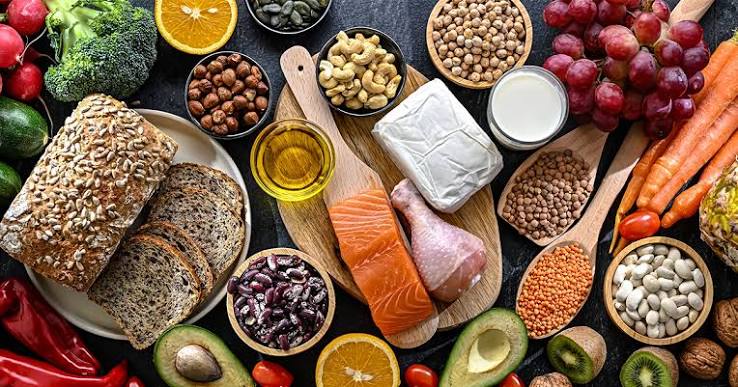
Mediterranean Diet vs. Plant-Based Diet vs. DASH Diet: Which Is Best for Long-Term Health and Disease Prevention?
Choosing the right eating pattern has become more important than ever as chronic diseases continue to affect millions of people worldwide. Heart disease, diabetes, obesity, high blood pressure, and certain cancers are often linked to poor dietary habits. While countless diet trends promise quick results, only a few have consistently earned the trust of nutrition experts and researchers.
Among the most respected eating plans are the Mediterranean Diet, the Plant-Based Diet, and the DASH Diet. These three approaches have been extensively studied and are widely recommended by healthcare professionals because they focus on nourishing the body rather than promoting short-term weight loss.
Although they share many healthy principles, each diet has unique characteristics, benefits, and challenges. Understanding their differences can help you decide which one best matches your lifestyle, health goals, and personal preferences.
Understanding the Mediterranean Diet
The Mediterranean Diet is inspired by the traditional eating habits of countries bordering the Mediterranean Sea, including Greece, Italy, and southern Spain. Instead of strict calorie counting or eliminating entire food groups, this eating style emphasizes fresh, wholesome foods.
Key foods include:
- Fruits
- Vegetables
- Whole grains
- Legumes
- Nuts and seeds
- Olive oil
- Fish and seafood
- Herbs and spices
Moderate amounts of dairy, eggs, and poultry are also included, while red meat and processed foods are eaten sparingly.
The Mediterranean Diet is not simply a food plan. It also encourages regular physical activity, enjoying meals with family, and maintaining a balanced lifestyle.
Understanding the Plant-Based Diet
A Plant-Based Diet focuses primarily on foods that come from plants. Unlike a vegan diet, it does not always eliminate all animal products. Instead, it encourages making plant foods the foundation of daily meals.
Common foods include:
- Vegetables
- Fruits
- Whole grains
- Beans
- Lentils
- Chickpeas
- Nuts
- Seeds
- Plant oils
Some people choose to eat small amounts of fish, dairy, or eggs occasionally, while others avoid animal products completely.
The main goal is reducing processed foods while increasing nutrient-rich plant foods that provide vitamins, minerals, antioxidants, and fiber.
Understanding the DASH Diet
DASH stands for Dietary Approaches to Stop Hypertension. It was originally developed to help reduce high blood pressure without medication.
The DASH Diet encourages:
- Vegetables
- Fruits
- Whole grains
- Low-fat dairy
- Lean poultry
- Fish
- Beans
- Nuts
It limits:
- Salt
- Processed foods
- Sugary drinks
- Saturated fats
- Fatty meats
- Sweets
Unlike many trendy diets, DASH does not eliminate carbohydrates or fats. Instead, it focuses on healthier choices and balanced nutrition.
Comparing the Three Diets
| Feature | Mediterranean Diet | Plant-Based Diet | DASH Diet |
| Main focus | Healthy fats and whole foods | Plant-centered eating | Blood pressure control |
| Meat consumption | Limited | Minimal or none | Lean meats allowed |
| Dairy | Moderate | Optional | Low-fat dairy encouraged |
| Olive oil | Main fat source | Commonly used | Allowed in moderation |
| Sodium intake | Moderate | Naturally lower | Strictly reduced |
| Flexibility | High | Moderate to high | High |
Although they differ slightly, all three diets encourage eating real, minimally processed foods.
Which Diet Is Best for Heart Health?
Heart disease remains the leading cause of death worldwide, making heart-friendly nutrition extremely important.
Mediterranean Diet
The Mediterranean Diet is often considered the gold standard for cardiovascular health because it includes:
- Healthy monounsaturated fats
- Omega-3-rich fish
- Antioxidant-rich fruits and vegetables
- Fiber-rich grains
Studies consistently show lower risks of heart attacks, strokes, and cardiovascular death among people following this diet.
Plant-Based Diet
A well-balanced Plant-Based Diet can significantly improve heart health by reducing:
- LDL (bad cholesterol)
- Blood pressure
- Inflammation
- Body weight
However, relying heavily on processed vegan foods may reduce these benefits.
DASH Diet
DASH was specifically designed to improve blood pressure and has proven highly effective for:
- Lowering hypertension
- Reducing cholesterol
- Supporting healthy blood vessels
Winner for heart health: The Mediterranean and DASH diets are nearly tied, with the Mediterranean Diet offering slightly broader cardiovascular benefits.
Which Diet Is Better for Weight Loss?
None of these diets are designed as rapid weight-loss plans, but all can support healthy weight management.
Mediterranean Diet
Weight loss occurs gradually because the diet is satisfying and easy to maintain long term.
Plant-Based Diet
Many people lose weight because plant foods are naturally lower in calories and higher in fiber.
However, highly processed vegan snacks can slow progress.
DASH Diet
DASH promotes portion control and balanced nutrition, helping many people lose weight without feeling deprived.
Winner for weight loss: A whole-food Plant-Based Diet often produces the greatest weight loss, provided processed foods are limited.
Which Diet Helps Prevent Diabetes?
Type 2 diabetes is strongly influenced by diet and lifestyle.
Mediterranean Diet
Research consistently links the Mediterranean Diet to improved insulin sensitivity and lower diabetes risk.
Plant-Based Diet
Fiber-rich foods help stabilize blood sugar while reducing insulin resistance.
DASH Diet
DASH also improves blood sugar control, particularly in people with hypertension.
Winner: Mediterranean Diet, closely followed by a whole-food Plant-Based Diet.
Which Diet Is Best for Brain Health?
Nutrition affects memory, concentration, and cognitive aging.
The Mediterranean Diet has been linked with:
- Better memory
- Lower dementia risk
- Reduced Alzheimer’s disease risk
- Improved cognitive function
Plant-Based diets also provide antioxidants that protect brain cells.
DASH contributes by improving blood circulation and reducing vascular damage.
Winner: Mediterranean Diet.
Which Diet Is Better for Cancer Prevention?
No diet can completely prevent cancer, but healthy eating lowers overall risk.
All three diets emphasize:
- Fiber
- Fruits
- Vegetables
- Whole grains
- Reduced processed meat
Plant-Based eating provides especially high amounts of antioxidants and phytochemicals associated with cancer prevention.
Winner: Plant-Based Diet.
Which Diet Is Easier to Follow?
Long-term success depends on sustainability rather than perfection.
Mediterranean Diet
Most people find it flexible because it allows occasional treats and moderate portions of many foods.
Plant-Based Diet
This diet may require more planning, especially when dining out or ensuring adequate protein and vitamin B12 intake.
DASH Diet
DASH is straightforward but requires attention to sodium intake, which can be challenging with restaurant meals.
Winner: Mediterranean Diet.
Nutritional Strengths of Each Diet
Mediterranean Diet
Strengths include:
- Healthy fats
- Omega-3 fatty acids
- High antioxidant intake
- Excellent balance
- Easy sustainability
Plant-Based Diet
Strengths include:
- High fiber
- Rich in vitamins
- Lower saturated fat
- Reduced cholesterol
- Excellent digestive health
DASH Diet
Strengths include:
- Blood pressure management
- Balanced nutrition
- Controlled sodium
- Adequate calcium
- High potassium intake
Potential Challenges
Mediterranean Diet
- Olive oil and seafood can be expensive.
- Portion control still matters.
- Some people consume too much cheese or bread.
Plant-Based Diet
- Vitamin B12 supplementation may be necessary.
- Iron, zinc, and omega-3 intake require attention.
- Processed vegan foods can be unhealthy.
DASH Diet
- Reading food labels becomes important.
- Restaurant meals often exceed sodium recommendations.
- Some people miss salty foods during the adjustment period.
Sample Daily Meal Comparison
Mediterranean Diet
Breakfast:
Greek yogurt with berries and walnuts.
Lunch:
Grilled salmon, quinoa, cucumber salad, and olive oil dressing.
Snack:
Fresh fruit with almonds.
Dinner:
Grilled chicken, roasted vegetables, and whole-grain bread.
Plant-Based Diet
Breakfast:
Oatmeal with banana, chia seeds, and almond butter.
Lunch:
Lentil soup with whole-grain bread.
Snack:
apple with peanut butter.
Dinner:
tofu stir-fry with brown rice and vegetables.
DASH Diet
Breakfast:
Whole-grain cereal with low-fat milk and berries.
Lunch:
Turkey sandwich on whole-grain bread with a side salad.
Snack:
Carrot sticks with hummus.
Dinner:
Baked fish, steamed broccoli, sweet potato, and fresh fruit.
Which Diet Fits Different Health Goals?
Choose the Mediterranean Diet if you want:
- Better heart health
- Healthy aging
- Brain protection
- Long-term sustainability
- Balanced eating without strict restrictions
Choose the Plant-Based Diet if you want:
- Reduce animal product consumption
- Increase fiber intake
- Lose weight naturally
- Lower cholesterol
- Improve environmental sustainability
Choose the DASH Diet if you want:
- Lower blood pressure
- Reduce sodium intake
- Improve cardiovascular health
- Follow a structured nutrition plan
- Support kidney health
Tips for Long-Term Success
Regardless of which eating pattern you choose, consistency matters more than perfection.
Helpful habits include:
- Cook meals at home more often.
- Fill half your plate with vegetables.
- Choose whole grains instead of refined grains.
- Eat more legumes each week.
- Replace sugary drinks with water.
- Limit processed foods.
- Practice mindful eating.
- Stay physically active.
- Sleep adequately.
- Build habits gradually rather than making drastic changes overnight.
Final Thoughts
The Mediterranean Diet, Plant-Based Diet, and DASH Diet all rank among the healthiest eating patterns available today. Each emphasizes whole foods, fruits, vegetables, legumes, and healthy lifestyle habits while limiting processed foods and excess sugar.
If your primary goal is overall longevity and balanced wellness, the Mediterranean Diet remains one of the strongest choices thanks to its flexibility and extensive research supporting heart, brain, and metabolic health. If reducing animal products and increasing fiber are your priorities, a whole-food Plant-Based Diet offers exceptional benefits. Meanwhile, those managing high blood pressure or looking for a structured nutrition plan may find the DASH Diet particularly effective.
Ultimately, the best diet is one you can enjoy and maintain for years. Building lasting habits around nutritious foods, regular physical activity, and mindful eating will have a far greater impact on long-term health and disease prevention than following any short-lived diet trend.