How to Evaluate a Roofing Contractor’s Estimate When Materials, Labor, and Warranties Differ
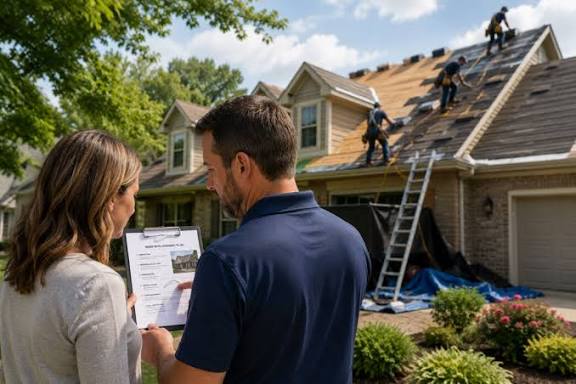
A roofing estimate can look simple at first glance, but comparing different contractors is often more complicated than comparing prices. One company may provide a lower quote because they are using cheaper materials, offering limited warranty coverage, or excluding important services. Another contractor may charge more because the estimate includes premium materials, experienced labor, better safety practices, and stronger protection after installation.
For homeowners, the goal should not be finding the cheapest roofing estimate. The better approach is understanding what is included, why costs differ, and whether the contractor is providing long-term value. A well-prepared estimate should clearly explain materials, labor, project timelines, warranties, and possible additional costs.
Learning how to evaluate these details helps homeowners avoid unexpected expenses and choose a roofing professional who can complete the project properly.
Start by Checking What Is Included in the Roofing Estimate
The first mistake many homeowners make is looking only at the final price. The total amount matters, but it does not tell the complete story.
A professional roofing estimate should include a detailed breakdown of the project. This usually includes:
- Type and brand of roofing materials
- Removal of old roofing layers
- Disposal fees
- Labor costs
- Underlayment installation
- Flashing replacement or repair
- Ventilation improvements
- Safety equipment and protection measures
- Cleanup after completion
- Warranty information
If an estimate only shows one total number without details, it becomes difficult to understand what you are actually paying for.
A detailed quote allows you to compare contractors fairly because you can see whether each company is offering the same level of service.
Compare Roofing Materials Carefully
Roofing materials can create major price differences between estimates. Two contractors may appear to offer similar services, but the quality and lifespan of their materials may vary significantly.
For example, asphalt shingles come in different grades. Basic shingles may have a shorter lifespan and fewer protective features, while architectural or premium shingles may provide better durability and improved appearance.
When reviewing materials, ask:
- What brand and product line will be installed?
- What is the expected lifespan of the material?
- Is the material designed for local weather conditions?
- Does it meet manufacturer installation requirements?
- Are replacement materials easily available in the future?
A cheaper material may reduce upfront costs but could lead to earlier replacement expenses.
A good roofing estimate should not simply say “shingles” or “roofing materials.” It should identify the exact products being used.
Understand Labor Costs and Installation Quality
Roofing is not only about materials. Even high-quality roofing products can fail if installation is poor.
Labor costs often vary because contractors have different levels of experience, crew sizes, insurance coverage, and installation standards.
A professional estimate should explain what labor includes. This may cover:
- Removing existing roofing materials
- Preparing the roof surface
- Installing new materials correctly
- Following manufacturer guidelines
- Protecting landscaping and property
- Cleaning construction debris
Extremely low labor costs can sometimes indicate shortcuts. A contractor may be using inexperienced workers, skipping important preparation steps, or reducing the time spent on quality checks.
Before choosing a contractor, consider their reputation, previous projects, licensing requirements in your area, and customer reviews.
Look Beyond the Warranty Length
Many homeowners compare roofing warranties by the number of years provided, but warranty details are often more important than the length.
A “30-year warranty” does not always mean the entire roof is protected for 30 years.
There are usually different types of warranties:
Manufacturer Warranty
This covers defects related to the roofing materials. It protects against problems caused by manufacturing issues.
Contractor Workmanship Warranty
This covers installation-related problems caused by the roofing company. It is especially important because many roofing failures happen due to improper installation rather than defective materials.
When reviewing warranties, ask:
- What exactly does the warranty cover?
- Are labor costs included for repairs?
- Who handles warranty claims?
- Are there conditions that can cancel coverage?
- How long has the contractor been in business?
A strong warranty from a reliable contractor can provide more value than a longer warranty from an unreliable company.
Check Whether the Estimate Includes Roof Preparation
A common reason roofing projects experience problems is inadequate preparation before installation.
Some contractors may provide low estimates by excluding necessary preparation work.
Important preparation steps may include:
- Replacing damaged roof decking
- Repairing rotten wood
- Installing proper underlayment
- Improving attic ventilation
- Repairing flashing around chimneys and vents
- Checking drainage systems
Ask the contractor how they handle unexpected issues discovered after removing the old roof.
A good estimate should explain possible additional costs instead of surprising you during the project.
Review the Payment Schedule Carefully
A professional roofing estimate should include clear payment terms.
Be cautious if a contractor demands a very large upfront payment before starting work. Payment schedules should usually match project progress.
A typical arrangement may include:
- Initial deposit for materials
- Progress payment during installation
- Final payment after completion and inspection
Avoid contractors who pressure you to sign immediately or offer unusually large discounts for paying everything upfront.
A trustworthy roofing company should give you time to review the estimate and understand the agreement.
Compare Multiple Estimates the Right Way
Getting several roofing estimates is a smart decision, but comparing them requires more than choosing the lowest price.
Create a comparison list that includes:
- Total project cost
- Roofing materials
- Installation methods
- Labor details
- Removal and disposal services
- Warranty coverage
- Estimated completion time
- Contractor experience
A higher estimate may actually provide better value if it includes stronger materials, better workmanship, and fewer future repair risks.
The cheapest option is not always the most affordable option over the life of the roof.
Ask Questions Before Signing a Roofing Contract
Before accepting an estimate, communicate openly with the contractor.
Useful questions include:
- Who will complete the installation?
- Are subcontractors involved?
- How will weather delays be handled?
- What happens if additional damage is discovered?
- Will you receive documentation after completion?
- How will property protection and cleanup be managed?
A reliable contractor should answer questions clearly and professionally.
Final Thoughts
Evaluating a roofing contractor’s estimate requires looking beyond the final price. Materials, labor quality, preparation work, warranty protection, and contractor reliability all influence the real value of a roofing project.
A detailed estimate helps homeowners understand exactly what they are paying for and prevents unexpected problems later. Instead of choosing the lowest quote, focus on finding a contractor who provides quality materials, skilled installation, transparent pricing, and dependable support after the project is finished.
A roof is a long-term investment that protects your home, so the right decision should be based on value, not just cost.