How to Match Fashion Accessories with Different Outfit Styles Like a Professional
Accessories are more than finishing touches—they can completely transform an outfit. The right handbag, watch, necklace, scarf, or pair of shoes can elevate a simple look into something polished and memorable. On the other hand, mismatched accessories can make even the most stylish clothing feel unbalanced.
Learning how to match fashion accessories with different outfit styles is a skill that anyone can develop. You don’t need an expensive wardrobe or designer labels. By understanding a few styling principles, you can create coordinated looks that reflect your personality and suit any occasion.
This comprehensive guide explains how professionals approach accessorizing and how you can apply the same techniques to your everyday wardrobe.
Why Accessories Matter
Accessories help define your personal style and add depth to your outfits. They allow you to:
- Express your personality
- Highlight your best features
- Add color or texture
- Make simple outfits more interesting
- Transition outfits from casual to formal
- Refresh your wardrobe without buying new clothes
Many professional stylists believe accessories are what make an outfit feel intentional rather than random.
Start with the Outfit First
The biggest mistake beginners make is choosing accessories before deciding on their clothing.
Instead, begin with your outfit and ask yourself:
- Is the outfit casual, business, or formal?
- What colors dominate the outfit?
- Are there already bold patterns?
- What is the overall mood?
Once you answer these questions, selecting accessories becomes much easier.
Understand Different Outfit Styles
Casual Style
Casual outfits prioritize comfort while still looking put together.
Examples include:
- Jeans and T-shirts
- Denim jackets
- Sneakers
- Polo shirts
- Simple dresses
- Shorts with blouses
Recommended accessories include:
- Crossbody bags
- Canvas tote bags
- White sneakers
- Baseball caps
- Smartwatches
- Minimal jewelry
- Sunglasses
Keep accessories lightweight and practical.
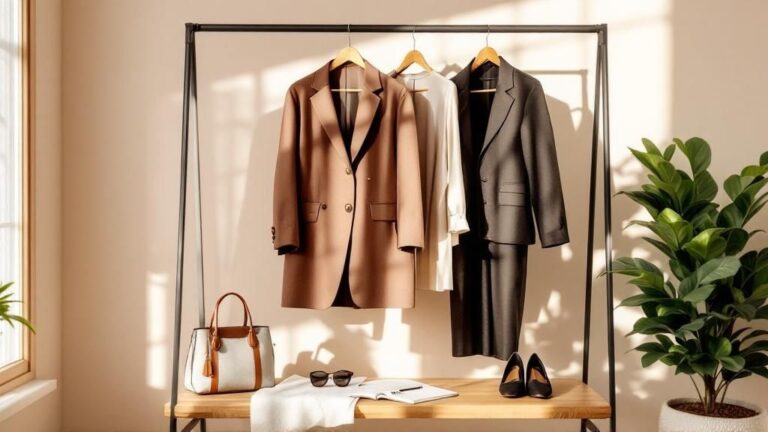
Business and Office Wear
Professional clothing should appear polished without becoming distracting.
Good accessory choices include:
- Leather handbags
- Structured briefcases
- Elegant watches
- Stud earrings
- Thin necklaces
- Neutral belts
- Closed-toe shoes
Avoid oversized jewelry or accessories that make excessive noise while walking.
Business Casual
Business casual offers more flexibility.
Suitable accessories include:
- Loafers
- Leather sneakers
- Medium-sized handbags
- Layered necklaces
- Scarves
- Bracelets
- Neutral-colored watches
Choose accessories that look refined without appearing overly formal.
Formal Wear
Formal outfits deserve elegant accessories.
Ideal options include:
- Diamond or pearl jewelry
- Evening clutches
- Metallic heels
- Silk shawls
- Luxury watches
- Fine cufflinks
Remember that simplicity often creates the strongest impression during formal events.
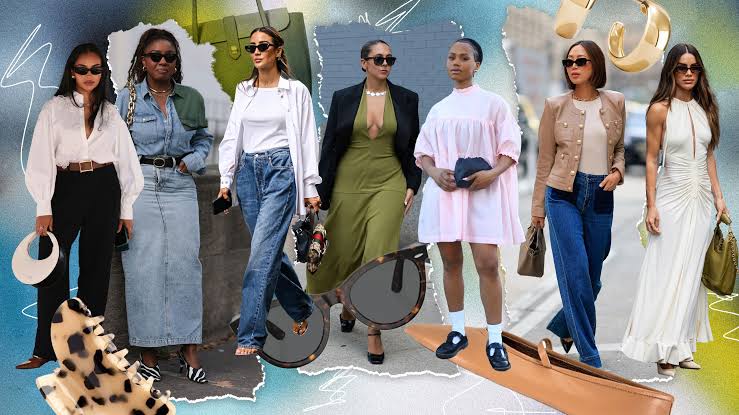
Street Style
Street fashion encourages creativity.
Popular accessories include:
- Chunky sneakers
- Statement sunglasses
- Crossbody bags
- Layered chains
- Bucket hats
- Graphic socks
- Oversized watches
Don’t be afraid to mix textures and experiment with unique combinations.
Bohemian Style
Boho fashion emphasizes natural materials and relaxed silhouettes.
Perfect accessories include:
- Straw hats
- Wooden jewelry
- Beaded bracelets
- Leather sandals
- Fringe bags
- Layered necklaces
- Woven belts
Natural colors complement this style best.
Minimalist Style
Minimalist fashion focuses on clean lines and quality over quantity.
Recommended accessories include:
- Thin gold jewelry
- Simple leather bags
- White sneakers
- Classic loafers
- Neutral scarves
- Elegant watches
Less is definitely more.
Match Accessories with Colors
Color coordination makes outfits appear intentional.
Neutral Outfits
Black, white, gray, beige, and navy allow nearly any accessory color.
You can introduce:
- Bright handbags
- Colorful scarves
- Bold jewelry
- Patterned shoes
Colorful Outfits
If your clothing already features bright colors, choose neutral accessories.
Examples include:
- Black shoes
- Nude heels
- Brown belts
- White handbags
- Silver jewelry
This prevents visual overload.
Match Metals Correctly
Jewelry should generally follow one metal tone.
Popular options include:
Gold
Best with:
- Earth tones
- Brown
- Cream
- Olive
- Warm skin tones
Silver
Pairs well with:
- Black
- Gray
- White
- Navy
- Cool skin tones
Rose Gold
Works beautifully with:
- Pink
- Burgundy
- Beige
- Pastel colors
While mixing metals has become fashionable, beginners often achieve a cleaner look by sticking with one dominant finish.
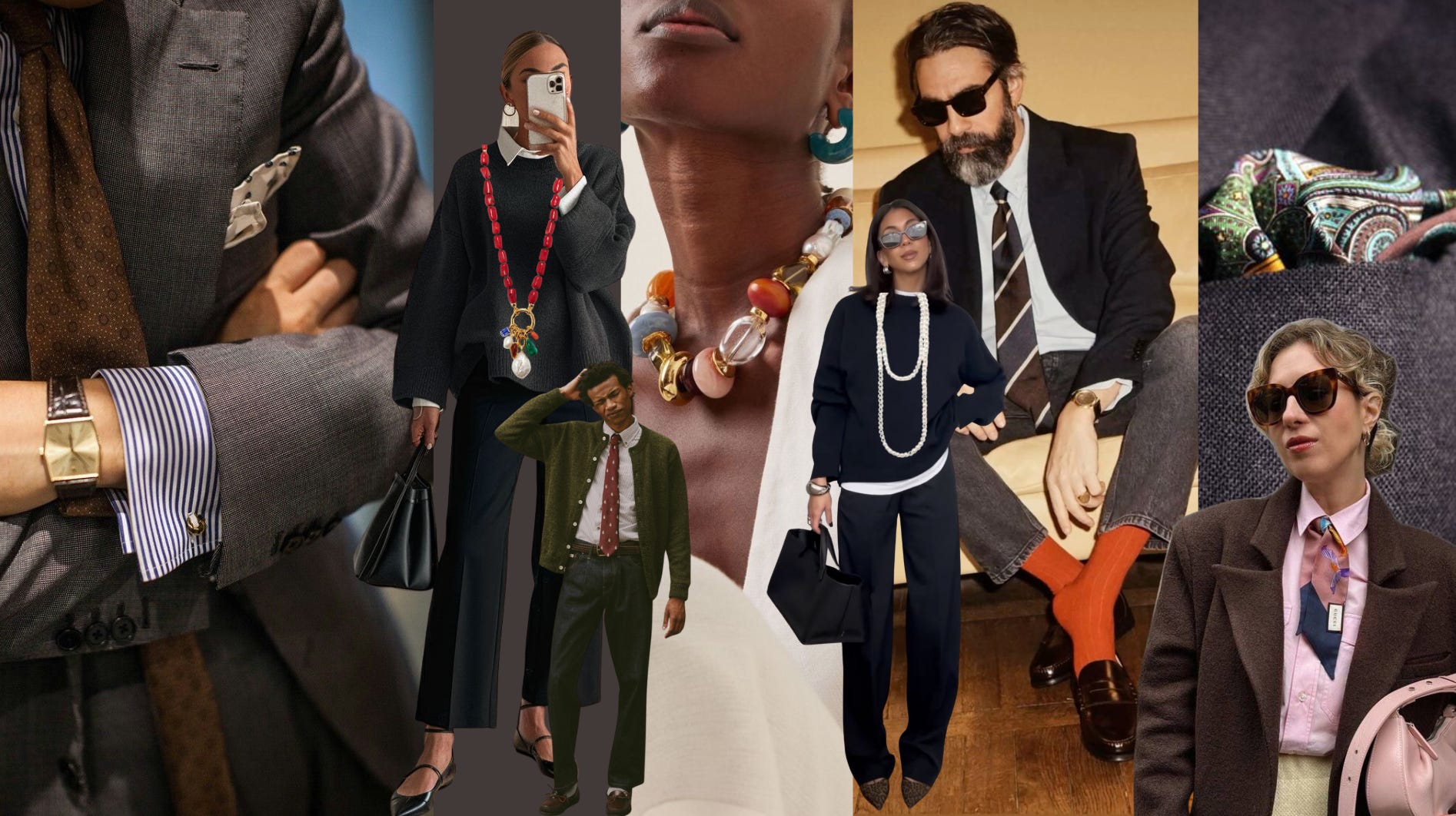
Balance Statement Pieces
A common professional styling rule is to let one accessory take center stage.
Examples:
If wearing oversized earrings:
- Skip a chunky necklace.
If carrying a bold handbag:
- Wear subtle jewelry.
If wearing bright shoes:
- Keep other accessories understated.
This creates balance rather than competition.
Coordinate Shoes and Bags
Modern fashion no longer requires shoes and handbags to match exactly.
Instead, coordinate them.
For example:
- Brown shoes with a tan bag
- White sneakers with a cream backpack
- Black heels with a gray handbag
Similar tones usually create a more sophisticated appearance than identical colors.
Match Accessories to Necklines
Different necklines work better with different jewelry.
V-Neck
Looks best with:
- Pendant necklaces
- Layered chains
Crew Neck
Pairs well with:
- Statement necklaces
- Short chains
Off-the-Shoulder
Ideal accessories include:
- Chokers
- Drop earrings
Turtleneck
Best choices:
- Long necklaces
- Bold earrings
Consider the Season
Professional stylists always dress for the season.
Spring
- Floral scarves
- Pastel handbags
- Lightweight jewelry
Summer
- Straw hats
- Sunglasses
- Canvas bags
- Woven sandals
Autumn
- Leather boots
- Wool scarves
- Brown handbags
Winter
- Leather gloves
- Cashmere scarves
- Structured coats
- Dark-colored boots
Seasonal accessories make outfits feel appropriate and complete.
Dress for the Occasion
Even beautiful accessories may feel out of place if they don’t suit the event.
Work
Choose:
- Watches
- Leather belts
- Stud earrings
- Structured handbags
Weddings
Consider:
- Elegant clutches
- Fine jewelry
- Dress shoes
Weekend
Relaxed options include:
- Sneakers
- Tote bags
- Baseball caps
Date Night
Try:
- Statement earrings
- Stylish heels
- Small handbags
Matching accessories to the occasion demonstrates attention to detail.
Choose Accessories That Complement Your Body Shape
Accessories can influence visual proportions.
Petite Individuals
Often benefit from:
- Smaller handbags
- Delicate jewelry
- Slim belts
Taller Individuals
Can comfortably wear:
- Oversized bags
- Chunky jewelry
- Wide belts
Balance usually creates the most flattering appearance.
Mix Textures Carefully
Texture adds visual interest.
Popular combinations include:
- Leather with denim
- Wool with suede
- Silk with gold jewelry
- Linen with woven bags
Avoid combining too many competing textures in one outfit.
Build a Versatile Accessory Collection
A practical collection should include:
- Black leather belt
- Brown leather belt
- White sneakers
- Black loafers
- Neutral handbag
- Evening clutch
- Gold jewelry
- Silver jewelry
- Sunglasses
- Scarf
- Classic watch
- Everyday backpack
These essentials work with most wardrobes.
Common Accessorizing Mistakes
Avoid these frequent styling errors:
- Wearing too many statement pieces at once
- Choosing accessories that clash with outfit colors
- Ignoring the dress code
- Wearing damaged or worn-out accessories
- Mixing casual and formal items without intention
- Over-accessorizing simple outfits
- Under-accessorizing formal attire
Even expensive accessories cannot compensate for poor coordination.
Tips Used by Professional Stylists
Professionals often follow these simple guidelines:
- Start with one focal point.
- Coordinate instead of perfectly matching.
- Balance colors throughout the outfit.
- Invest in timeless accessories before trendy pieces.
- Choose quality over quantity.
- Consider proportion and scale.
- Keep accessories appropriate for the occasion.
- Edit your outfit before leaving by removing one unnecessary item if it feels crowded.
These habits help create polished looks consistently.
Final Thoughts
Matching fashion accessories with different outfit styles is less about following strict rules and more about creating balance, harmony, and confidence. By considering your outfit’s colors, occasion, proportions, and overall style, you can choose accessories that enhance your appearance instead of competing with it.
Professional-looking style doesn’t require an unlimited budget or a closet full of designer pieces. A thoughtfully curated collection of versatile accessories, combined with an understanding of proportion and coordination, can elevate almost any wardrobe. As you gain experience, you’ll become more comfortable experimenting with colors, textures, and statement pieces while maintaining a polished, cohesive look that feels uniquely your own.
Frequently Asked Questions
Can I mix gold and silver accessories?
Yes. Mixing metals is a modern styling trend. However, beginners often achieve a more cohesive look by making one metal the dominant finish and using the other as a subtle accent.
Should my shoes always match my handbag?
No. Modern styling focuses on coordination rather than exact matching. Similar colors, complementary tones, or shared materials usually look more contemporary.
How many accessories should I wear?
There is no fixed rule. Most balanced outfits include three to five accessories, depending on the occasion. The goal is harmony rather than quantity.
What are the most versatile accessories to own?
A quality watch, neutral handbag, leather belt, sunglasses, white sneakers, simple jewelry, and a scarf are among the most versatile pieces for everyday styling.
How do I make a simple outfit look more stylish?
Add one or two carefully chosen accessories, such as a structured handbag, elegant watch, layered necklace, statement earrings, or stylish shoes. Small details often have the biggest impact.