Fixing Uneven Floors Without Full Reconstruction: Simple and Effective Home Leveling Solutions
Uneven floors are one of those home issues that can quietly become more annoying over time. At first, it might just feel like a slight slope when you walk across a room or a chair that doesn’t sit perfectly stable. Later, it becomes more noticeable—furniture wobbles, doors swing on their own, tiles crack, and in some cases, the entire room feels off-balance.
The good news is that uneven floors do not always require full reconstruction. In many cases, the problem can be corrected or significantly improved using targeted, cost-effective methods that avoid tearing up the entire floor system. The key is to understand why the floor is uneven, choose the right correction method, and address the issue at the right level—surface, subfloor, or support structure.
Understanding Why Floors Become Uneven
Uneven floors usually develop gradually over time rather than suddenly. One of the most common causes is natural settling of the building foundation. As soil beneath a home shifts or compacts, different parts of the structure may sink slightly, creating slopes or dips in the flooring.
Another frequent cause is issues with the subfloor. The subfloor is the layer beneath your visible flooring material, and if it becomes weakened due to moisture, rot, or poor installation, it can sag or warp. Water leaks from bathrooms, kitchens, or plumbing lines are especially damaging because they often go unnoticed until the floor starts to dip.
Wooden floors are also sensitive to humidity changes. In dry conditions, wood may shrink, while in humid environments it can swell. Over time, this expansion and contraction can lead to uneven surfaces, gaps, or raised sections.
Other causes include:
- Poor initial construction or leveling errors
- Aging support beams or joists weakening over time
- Termite or pest damage in wooden structures
- Heavy furniture or concentrated weight in one area
- Renovations done without proper floor alignment
Understanding the cause is essential because different problems require different solutions. A cosmetic dip in flooring can often be fixed easily, while structural sagging may require reinforcement rather than surface repair.
Step One: Identify the Severity of the Uneven Floor
Before choosing a repair method, it is important to determine how severe the unevenness is. A simple test involves placing a ball or marble on the floor and observing its movement. If it rolls slowly in one direction, the slope is mild. If it moves quickly or noticeably changes direction, the slope may be more significant.
You should also walk across the room and observe:
- Do you feel dips or soft spots underfoot
- Does furniture rock or tilt
- Are doors opening or closing on their own
- Do tiles or boards show visible gaps or cracks
Mild unevenness often affects only the surface layer, while severe unevenness usually indicates subfloor or structural issues.
Step Two: Fix Minor Surface Unevenness
For small irregularities, you often do not need major repairs. Surface-level unevenness can usually be corrected using leveling compounds or patching materials.
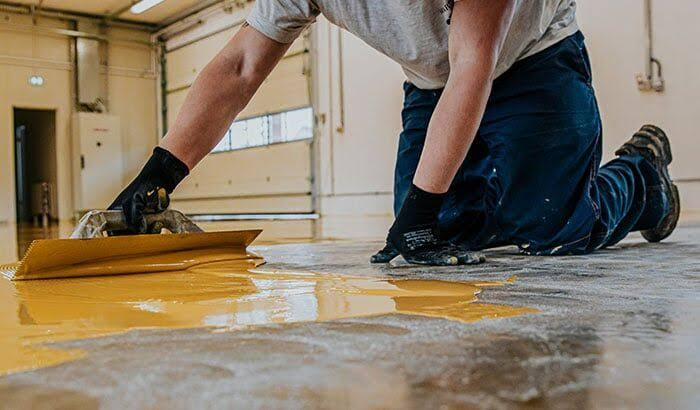
Self-leveling compounds are commonly used for concrete floors. These materials are poured over the floor and naturally spread into low areas, creating a smoother surface. They are especially useful before installing tiles, vinyl, or laminate flooring.
For small dips in wooden floors, wood filler or floor patch products can be applied to smooth out imperfections. After drying, sanding helps blend the repaired area with the surrounding surface.
In some cases, adding an underlayment layer beneath new flooring materials can help disguise minor unevenness without touching the original structure. This is often used in laminate or vinyl installations.
Step Three: Use Floor Leveling Compounds for Moderate Issues
When unevenness is more noticeable but not structural, floor leveling compounds are one of the most effective solutions. These materials are designed to flow and settle into low areas, creating a flat and stable base.
Before applying a leveling compound, the floor must be cleaned thoroughly. Dust, grease, and loose debris can affect bonding. Cracks should be sealed, and any gaps should be filled beforehand.
The process typically involves:
- Priming the floor surface
- Mixing the leveling compound to correct consistency
- Pouring it evenly across the affected area
- Allowing it to self-level naturally
- Letting it cure completely before installing flooring
This method is especially effective for concrete subfloors and is commonly used before tile or vinyl installation.
Step Four: Fix Wooden Floor Slope Issues
Wooden floors require a different approach because they are built on joists and beams. If the slope is caused by sagging joists, the issue may be corrected without full reconstruction by reinforcing the existing structure.
One method involves “sistering” joists, which means attaching a new wooden beam alongside an existing weakened one to restore strength and alignment. This helps lift and stabilize the floor above.
In other cases, adjustable floor jacks can be installed beneath the structure in crawl spaces or basements to gradually lift and level sagging areas. This process must be done slowly to avoid cracking walls or causing further structural stress.
For minor wood floor unevenness caused by warping or moisture, sanding high spots and filling low areas may be enough to create a smoother surface before refinishing.
Step Five: Address Moisture and Foundation Problems
Even the best leveling repair will fail if the underlying moisture or foundation issue is not resolved. Water is one of the biggest contributors to uneven floors, especially in wooden structures.
Common moisture sources include plumbing leaks, poor drainage around the house, or high humidity in crawl spaces. These issues should be fixed first before any leveling work begins.
Foundation problems are more serious. Signs of foundation-related uneven floors include:
- Large cracks in walls or floors
- Doors and windows sticking
- Visible slope across multiple rooms
- Gaps between walls and floors
In such cases, professional foundation repair may be necessary. While surface methods can improve appearance, structural correction is required for long-term stability.
Step Six: Use Floor Shims for Targeted Leveling
Floor shims are small but effective tools used to correct minor height differences, especially under flooring boards or joists. They are thin wedges that can be inserted to raise low sections and restore balance.
Shims are commonly used during:
- Subfloor leveling
- Door frame adjustments
- Cabinet and fixture alignment
- Small structural corrections
They are inexpensive and easy to install, but they should be secured properly to prevent shifting over time.
Step Seven: Hide Minor Unevenness with Flooring Choices
In some cases, instead of fixing the structure directly, you can reduce the visual and physical impact of uneven floors by choosing flexible flooring materials.
Options include:
- Vinyl flooring, which can adapt slightly to uneven surfaces
- Carpet, which naturally hides minor dips
- Laminate flooring with thick underlayment
- Engineered wood with flexible installation systems
These materials do not fix the problem, but they can make unevenness less noticeable and improve comfort while walking.
Step Eight: Reinforce and Maintain Stability
Once uneven areas are corrected, maintaining floor stability is important to prevent the issue from returning. Regular inspection of plumbing, moisture levels, and structural integrity helps detect early signs of new movement.
Simple maintenance practices include:
- Fixing leaks immediately
- Ensuring proper ventilation in crawl spaces
- Avoiding excessive concentrated weight in one area
- Monitoring for new cracks or dips over time
Preventive care is often what keeps floors level for years after repair.
FAQs
Can uneven floors be fixed without replacing them completely?
Yes, many uneven floors can be corrected using leveling compounds, structural reinforcement, or surface adjustments without full reconstruction.
What is the most common cause of uneven floors?
The most common causes include foundation settling, moisture damage, and weakening of subfloor or support beams over time.
Are self-leveling compounds effective?
Yes, they are highly effective for concrete subfloors and mild to moderate unevenness, especially before installing new flooring.
Can wooden floors be leveled without replacing them?
Yes, wooden floors can often be leveled using joist reinforcement, shims, sanding, or subfloor adjustments.
When should I worry about uneven floors?
If unevenness is severe, worsening, or accompanied by cracks, sticking doors, or structural movement, professional inspection is recommended.
Do uneven floors always mean foundation problems?
No, many uneven floors are caused by surface or subfloor issues rather than foundation failure.
How long does floor leveling last?
When properly done and combined with moisture control, floor leveling repairs can last many years without issues.
Final Thoughts
Fixing uneven floors without full reconstruction is often possible when the problem is properly diagnosed and the right method is used. Surface leveling works well for minor imperfections, while structural reinforcement addresses deeper issues in wooden or joist-based systems.
The most important step is understanding the cause before choosing a solution. Moisture, foundation movement, and subfloor damage all require different approaches. When these underlying issues are resolved, leveling methods become far more effective and long-lasting.
With the right combination of repair techniques and preventive maintenance, uneven floors can be stabilized, improved, and kept level without the cost and disruption of a full rebuild.