Essential Home Repair Guide: Common Household Problems, DIY Fixes, and When to Call a Professional
Owning a home comes with a long list of responsibilities, and repairs are one of the biggest challenges homeowners face. No matter how well a house is built, everyday wear and tear eventually lead to problems that need attention. A dripping faucet, cracked drywall, clogged drain, or faulty electrical outlet may seem minor at first, but ignoring these issues often leads to expensive repairs later.
The good news is that many common household problems can be fixed with basic tools, a little patience, and the right knowledge. Learning simple DIY home repairs not only saves money but also helps you maintain your home’s value. However, it’s equally important to recognize when a repair is beyond your skill level and requires a licensed professional.
This guide covers the most common home repair issues, practical DIY solutions, and situations where calling an expert is the safest and smartest decision.
Why Regular Home Repairs Matter
Many homeowners wait until something breaks before taking action. Unfortunately, delaying repairs usually makes the situation worse. A tiny roof leak can become major water damage, and a loose electrical connection can turn into a serious safety hazard.
Keeping up with repairs offers several benefits:
- Prevents costly future damage
- Improves home safety
- Increases property value
- Extends the life of household systems
- Makes your home more comfortable
- Reduces emergency repair costs
Routine maintenance combined with prompt repairs keeps your house functioning efficiently throughout the year.
Basic Tools Every Homeowner Should Have
Before tackling DIY repairs, it’s helpful to build a small toolkit.
Essential tools include:
- Claw hammer
- Tape measure
- Adjustable wrench
- Screwdriver set
- Cordless drill
- Utility knife
- Needle-nose pliers
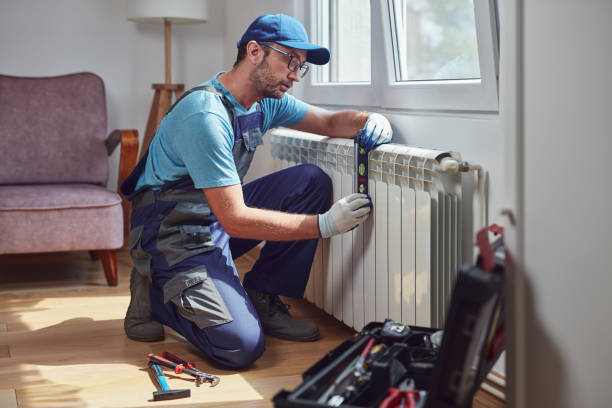
- Level
- Stud finder
- Flashlight
- Safety gloves
- Safety goggles
- Caulk gun
- Putty knife
- Allen wrench set
Having these tools available allows you to complete many basic repairs without making repeated trips to the hardware store.
Common Household Problems and DIY Solutions
1. Dripping Faucets
A dripping faucet is one of the most common plumbing issues. Although it seems harmless, it wastes hundreds of gallons of water every year.
Common Causes
- Worn rubber washer
- Damaged O-ring
- Faulty cartridge
- Mineral buildup
DIY Fix
- Turn off the water supply.
- Remove the faucet handle.
- Replace the damaged washer or cartridge.
- Reassemble the faucet.
- Turn the water back on and test.
Most faucet repairs can be completed in under an hour.
Call a Professional If
- The faucet leaks inside the wall.
- Pipes are corroded.
- Water pressure suddenly drops throughout the house.
2. Running Toilet
A constantly running toilet can waste thousands of gallons of water each year.
Common Causes
- Worn flapper
- Broken fill valve
- Improper float adjustment
- Damaged chain
DIY Fix
Open the tank and inspect each component.
Replace:
- Flapper
- Fill valve
- Flush handle
- Chain if necessary
Most replacement kits are inexpensive and beginner-friendly.
Call a Professional If
- Water leaks from the base.
- The toilet rocks back and forth.
- Sewer odors are present.
3. Clogged Drains
Kitchen and bathroom drains often clog because of grease, soap residue, food particles, or hair.
DIY Fix
Start with the least aggressive method.
Try:
- Boiling water
- Baking soda and vinegar
- Drain snake
- Sink plunger
Avoid using harsh chemical drain cleaners repeatedly since they can damage pipes over time.
Call a Professional If
- Multiple drains clog simultaneously.
- Water backs up into other fixtures.
- Sewage comes back through drains.
4. Holes and Cracks in Drywall
Furniture impacts, accidental bumps, and settling can leave holes or cracks in drywall.
DIY Fix
Small holes:
- Apply spackling compound.
- Sand smooth.
- Prime.
- Paint.
Medium holes:
Use a drywall patch kit before applying joint compound.
Call a Professional If
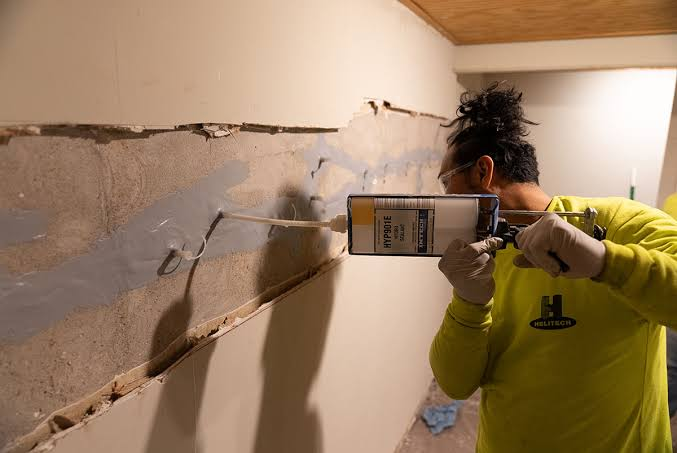
Cracks continue growing or appear above doors and windows, as they may indicate structural movement.
5. Squeaky Doors
A squeaky door is annoying but easy to repair.
DIY Fix
- Remove the hinge pin.
- Clean dirt and rust.
- Apply lubricant.
- Reinsert the pin.
If hinges are worn out, replace them entirely.
Call a Professional If
Doors no longer close properly due to shifting walls or foundation movement.
6. Loose Cabinet Handles
Kitchen cabinets receive daily use, causing screws to loosen.
DIY Fix
- Tighten screws.
- Replace stripped screws.
- Fill oversized holes with wood filler if necessary.
- Reinstall hardware securely.
This repair usually takes only a few minutes.
7. Peeling Caulk Around Tubs and Sinks
Old caulk allows water to seep behind fixtures, creating mold and water damage.
DIY Fix
- Remove old caulk completely.
- Clean the surface.
- Let it dry.
- Apply new waterproof silicone caulk.
- Smooth with a damp finger or caulk tool.
Allow it to cure before using the shower.
Call a Professional If
Water has already damaged surrounding walls or flooring.
8. Drafty Windows
Drafts increase heating and cooling costs.
DIY Fix
Improve insulation using:
- Weather stripping
- Window film
- Foam sealant
- Caulk around window frames
These inexpensive improvements can significantly improve energy efficiency.
Call a Professional If
Window frames are rotting or glass seals have failed.
9. Sticking Doors
Humidity often causes wooden doors to swell.
DIY Fix
- Tighten hinge screws.
- Sand rubbing edges lightly.
- Repaint exposed wood.
Sometimes adjusting hinges solves the issue completely.
Call a Professional If
Foundation settling is causing door frames to shift.
10. Loose Electrical Outlets
Loose outlets can become dangerous if ignored.
DIY Fix
Only attempt this repair after switching off power at the breaker.
- Remove outlet cover.
- Tighten mounting screws.
- Replace damaged faceplates.
Call a Professional Immediately If
- Sparks appear.
- Burning smells occur.
- Outlets feel hot.
- Wiring is damaged.
Electrical repairs should never be taken lightly.
Seasonal Home Repair Checklist
Spring
- Inspect roof shingles
- Clean gutters
- Check siding
- Test outdoor faucets
- Service air conditioner
Summer
- Seal cracks
- Repair decks
- Inspect sprinkler systems
- Pressure wash exterior
- Paint damaged trim
Fall
- Clean chimney
- Service heating system
- Insulate exposed pipes
- Check weather stripping
- Clean gutters again
Winter
- Watch for ice dams
- Check attic insulation
- Inspect pipes for freezing
- Test smoke detectors
- Replace furnace filters
Seasonal inspections help catch problems before they become emergencies.
Repairs You Should Never Attempt Yourself
While DIY projects save money, certain repairs require specialized knowledge and equipment.
Avoid handling:
Major Electrical Work
Replacing breaker panels or rewiring an entire room should always be handled by licensed electricians.
Gas Line Repairs
Natural gas leaks can cause explosions and carbon monoxide poisoning.
Roof Replacement
Working on roofs involves serious fall risks and requires proper safety equipment.
Foundation Repairs
Structural repairs demand engineering expertise.
Major Plumbing Repairs
Replacing sewer lines or underground water pipes requires professional equipment.
HVAC Repairs
Air conditioning and furnace systems involve electrical, gas, and refrigerant components that require certification.
Signs You Should Call a Professional Immediately
Some issues demand urgent attention regardless of your DIY experience.
These include:
- Gas smells
- Electrical burning odors
- Flooding
- Burst pipes
- Large roof leaks
- Foundation cracks
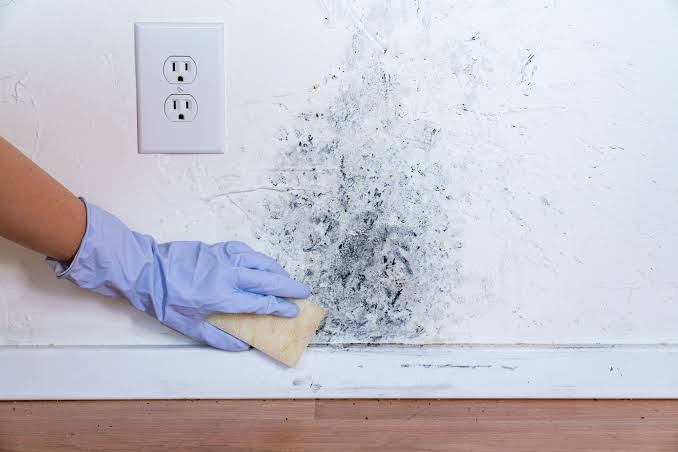
- Mold spreading quickly
- Sewage backup
- No running water
- Power outages affecting only your home
Delaying these repairs can create serious safety risks.
Tips for Successful DIY Home Repairs
Before beginning any repair, follow a few simple guidelines.
Start Small
Begin with beginner-friendly repairs before attempting larger projects.
Use Quality Materials
Cheap materials often fail quickly and require repeat repairs.
Read Instructions Carefully
Take time to understand each repair before starting.
Wear Safety Equipment
Always use:
- Safety glasses
- Gloves
- Dust masks when sanding
- Hearing protection when necessary
Shut Off Utilities
Turn off:
- Electricity
- Water
- Gas
whenever the repair involves those systems.
Keep a Repair Record
Maintain a notebook or digital file documenting:
- Repair dates
- Replacement parts
- Warranty information
- Contractor details
This record becomes valuable during future maintenance or when selling your home.
How Preventive Maintenance Reduces Repairs
The easiest repair is the one you never have to make.
Preventive maintenance includes:
- Cleaning gutters twice yearly
- Replacing HVAC filters regularly
- Inspecting roofing annually
- Checking plumbing for leaks
- Testing smoke detectors monthly
- Cleaning dryer vents
- Sealing exterior gaps
- Maintaining proper attic ventilation
These simple tasks dramatically reduce unexpected repair costs.
Budgeting for Home Repairs
Unexpected repairs are part of homeownership, so creating a maintenance budget is wise.
Many financial experts recommend setting aside 1% to 3% of your home’s value annually for repairs and maintenance. For example, if your home is worth $300,000, budgeting between $3,000 and $9,000 per year can help cover routine maintenance as well as unexpected issues.
Keeping an emergency repair fund prevents financial stress when larger repairs become necessary.
Mistakes Homeowners Often Make
Avoid these common repair mistakes:
- Ignoring small leaks
- Using the wrong tools
- Buying low-quality materials
- Skipping safety precautions
- Covering up mold without fixing the moisture source
- Painting over damaged drywall
- Over-tightening plumbing connections
- Attempting repairs without researching the proper method
- Forgetting to shut off utilities before starting work
Learning from these mistakes can save both time and money.
Final Thoughts
Every homeowner encounters repair issues sooner or later, but not every problem requires a professional contractor. Simple tasks like fixing a dripping faucet, patching drywall, replacing caulk, tightening cabinet hardware, or unclogging a drain are often manageable with basic tools and a little practice. Tackling these smaller projects yourself can save money, build confidence, and help you keep your home in excellent condition.
At the same time, knowing your limits is just as important as developing DIY skills. Electrical hazards, gas leaks, structural damage, major plumbing issues, and roofing work involve significant risks that should be left to qualified professionals. Attempting repairs beyond your experience can lead to costly mistakes or serious safety concerns.
The best approach to homeownership is a balance of preventive maintenance, timely repairs, and informed decision-making. By addressing problems early, investing in the right tools, and seeking expert help when needed, you can protect your home’s value, improve its comfort, and avoid expensive emergencies for years to come.