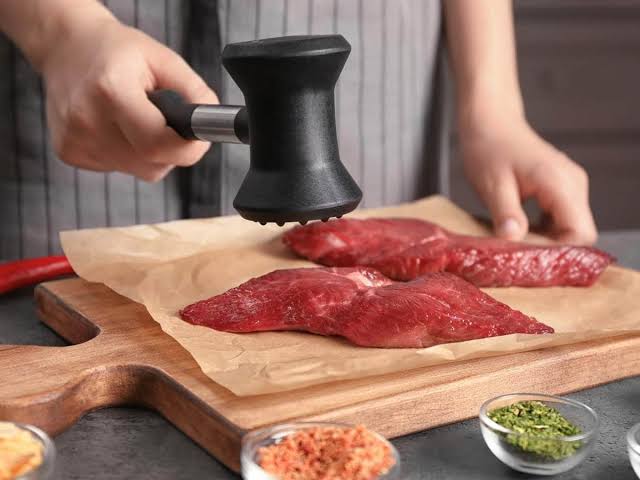
How to Tenderize Steak: Six Methods for Better Texture
A good steak is not only about flavor. Texture also plays an important role in how enjoyable a meal becomes. Some cuts are naturally tender, while others contain more connective tissue or muscle fibers that can make them chewier.
Fortunately, there are several ways to improve the texture of steak before and during cooking. The right method depends on the cut, thickness, preparation time, and cooking technique.
Tenderizing does not always mean using a special tool or complicated recipe. Simple methods such as salting, marinating, careful slicing, and appropriate cooking can make a noticeable difference.
Here are six practical methods to understand when preparing steak at home.
1. Use a Meat Mallet for Mechanical Tenderizing
One of the most familiar ways to tenderize steak is to use a meat mallet. This method physically breaks down some of the muscle structure, helping make certain cuts thinner and easier to chew.
Place the steak between two layers of food-safe plastic wrap or inside a suitable food-safe bag. Gently tap the meat with the textured side of the mallet, working across the surface.
Avoid striking too aggressively. Excessive force can damage the texture and make the steak uneven. The goal is to flatten or loosen the meat gently rather than turn it into a thin sheet.
This method can be useful for cuts intended for dishes such as steak sandwiches, schnitzel-style preparations, or quick pan cooking.
Always clean and sanitize the mallet and preparation surface after contact with raw meat.
2. Use Salt to Improve Texture
Salt is an important ingredient in steak preparation because it helps season the meat and influences how it behaves during cooking.
Applying salt before cooking gives it time to interact with the surface of the meat. Depending on the timing and method, the salt can draw out moisture initially, which may later be reabsorbed as the steak rests.
For a simple approach, season the steak evenly and allow it to rest in the refrigerator before cooking. The exact time depends on the thickness of the cut and your recipe.
Avoid leaving raw steak at room temperature for extended periods. Keep it refrigerated during preparation and follow safe food-handling practices.
Salt does not magically make every cut tender, but proper seasoning can improve the overall eating experience.
3. Try an Acid-Based Marinade
Marinades can add flavor and influence the texture of steak. Ingredients such as lemon juice, vinegar, and certain fruit-based liquids contain acids that affect the surface of the meat.
A simple marinade may combine an acidic ingredient with oil, herbs, spices, and seasonings. Place the steak in a food-safe container or sealed bag and keep it refrigerated during marinating.
The amount of time required depends on the recipe and cut. Avoid marinating for excessively long periods, particularly with strongly acidic mixtures, because the surface texture may become soft or unpleasant.
Marinades should not be reused as a sauce unless they have been handled and cooked safely. Keep raw meat separate from ready-to-eat foods.
4. Use Enzyme-Rich Ingredients Carefully
Some fruits contain natural enzymes that can break down proteins. Pineapple, papaya, and kiwi are commonly used in certain marinades for this purpose.
These ingredients can influence meat texture, but they need to be used carefully. Strong enzyme activity or excessive marinating time may make the outer layer of steak too soft.
If using fresh pineapple or papaya, follow a recipe designed for the specific ingredient and cut of meat. Start with a short preparation time and monitor the texture.
Canned and processed fruit products may behave differently from fresh fruit, so do not assume that every version has the same effect.
This method is best treated as a recipe technique rather than a universal solution for every steak.
5. Slice Against the Grain
Slicing steak against the grain is one of the simplest ways to make it easier to chew.
The grain refers to the direction in which the muscle fibers run. When steak is sliced parallel to those fibers, the pieces can contain long strands that require more chewing.
Cutting across the fibers shortens them, making each piece easier to bite through.
After cooking, allow the steak to rest as appropriate for its size and preparation method. Then identify the direction of the visible muscle fibers and slice across them using a sharp knife.
This method is especially useful for cuts with more noticeable muscle structure, such as flank or skirt steak.
6. Choose the Right Cooking Method
Tenderizing does not end with preparation. Cooking technique also influences steak texture.
Different cuts respond to different methods. Naturally tender cuts may suit quick cooking, while tougher cuts with more connective tissue may benefit from longer cooking methods designed for them.
Avoid overcooking steak beyond your preferred level. Excessive heat and cooking time can make some cuts dry and firm.
Use a food thermometer to check internal temperature where appropriate, especially when preparing meat for people who need additional food-safety precautions. Follow reliable food-safety guidance for safe cooking temperatures.
Resting steak after cooking can also help make serving easier. The appropriate resting time depends on the size and thickness of the cut.
Choose the Right Cut Before Tenderizing
Not all steak cuts begin with the same texture. Ribeye, tenderloin, strip steak, sirloin, flank, and skirt steak each have different characteristics.
Some cuts are naturally tender and may need little preparation beyond seasoning. Others benefit from mechanical tenderizing, marinating, or careful slicing.
When buying steak, consider the recipe you want to prepare. A cut suitable for quick grilling may not be the best choice for a slow-cooked dish.
Understanding the cut can help you avoid unnecessary tenderizing steps and choose a cooking method that suits the meat.
Use the Right Equipment for Steak Preparation
A sharp knife, cutting board, meat mallet, food-safe containers, and thermometer can make steak preparation easier. Keep raw meat handling separate from the preparation of vegetables and cooked food.
If you enjoy preparing steaks outdoors, a suitable grill can also influence the cooking process. Review the appliance’s operating instructions, heat settings, and recommended cooking methods before use.
For more information about steak preparation and tenderizing techniques, see the Big Horn Outdoors guide to six methods of tenderizing steak.
You can also explore outdoor cooking appliances and equipment at Big Horn Outdoors. Choosing suitable equipment and learning basic preparation techniques can help make home cooking more enjoyable.
Common Steak Tenderizing Mistakes to Avoid
One common mistake is using too much force with a meat mallet. This can damage the structure of the steak rather than improve it.
Another mistake is leaving meat in a highly acidic or enzyme-rich marinade for too long. The outside may become excessively soft even when the inside remains firm.
Some cooks also overlook slicing direction. Even a well-prepared steak can seem tougher when it is cut with the grain.
Finally, poor food handling can create unnecessary health risks. Keep raw meat refrigerated, wash hands and utensils after handling it, and use clean plates for cooked food.
Conclusion
Tenderizing steak is about choosing the right preparation method for the cut of meat. Mechanical tenderizing, salting, acidic marinades, enzyme-rich ingredients, slicing against the grain, and suitable cooking techniques can all play a role.
You do not need to use every method for every steak. Start by understanding the cut, follow a suitable recipe, and pay attention to food safety. With practice, you can prepare steak that is flavorful, enjoyable, and easier to chew.