Interior vs. Exterior Home Improvements: Which Projects Deliver the Highest Return on Investment?
When homeowners decide to invest in their property, one question often comes first: Should I improve the inside or the outside of my home? Both interior and exterior upgrades can increase comfort, functionality, and property value, but not every project delivers the same return on investment (ROI).
Some renovations pay for themselves when it’s time to sell, while others are primarily about improving your lifestyle. Understanding which upgrades offer the best financial return helps you spend your budget wisely without over-improving your home.
What Does Return on Investment (ROI) Mean in Home Improvement?
In real estate, return on investment refers to the percentage of your renovation costs that you can expect to recover when selling your home.
For example:
- Spend $10,000 on a project.
- Your home’s value increases by $8,000.
- Your ROI is approximately 80%.
However, ROI isn’t only about resale value. Some improvements also save money through energy efficiency, reduce future maintenance costs, or make your home easier to sell.
The best projects combine financial returns with improved daily living.
Interior Home Improvements
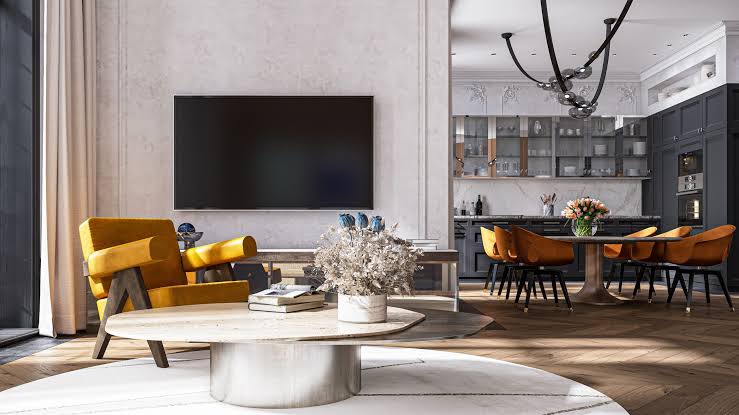
Interior renovations focus on making your living space more attractive, comfortable, and functional.
Popular interior projects include:
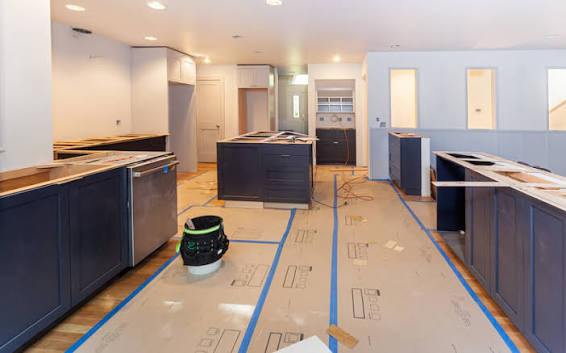
- Kitchen remodeling
- Bathroom renovations
- Flooring replacement
- Interior painting
- Basement finishing
- Lighting upgrades
- Smart home technology
- Storage improvements
These projects often improve the home’s appearance and create a better experience for the homeowner.
Pros of Interior Improvements
Interior renovations offer several advantages:
- Improve everyday comfort
- Modernize outdated rooms
- Increase buyer appeal
- Personalize living spaces
- Enhance energy efficiency
- Usually less affected by weather during construction
Cons of Interior Improvements
There are also potential drawbacks.
- High-end remodels can become expensive.
- Personal design choices may not appeal to buyers.
- Luxury upgrades rarely recover their full cost.
- Construction can temporarily disrupt daily life.
Exterior Home Improvements
Exterior improvements enhance your home’s appearance, protection, and curb appeal.
Common exterior projects include:
- New roofing
- Siding replacement
- Window replacement
- Entry door replacement
- Garage door installation
- Deck construction
- Landscaping
- Exterior painting
- Driveway improvements
Since buyers form opinions before walking inside, exterior upgrades often influence purchasing decisions.
Benefits of Exterior Improvements
Exterior projects offer numerous advantages.
- Improve curb appeal instantly
- Increase property value
- Reduce maintenance costs
- Improve weather protection
- Enhance energy efficiency
- Make homes easier to sell
Potential Downsides
Exterior renovations may involve:
- Higher material costs
- Weather-related delays
- Seasonal scheduling limitations
- Larger upfront investment
Which Interior Projects Offer the Best ROI?
Not every interior renovation delivers equal value.
Here are the projects that consistently perform well.
1. Kitchen Refresh Instead of Full Remodel
The kitchen remains one of the most important rooms for buyers.
Instead of completely rebuilding it, many homeowners achieve better ROI through smaller upgrades.
Examples include:
- Painting cabinets
- Installing modern hardware
- Updating countertops
- Replacing backsplashes
- Adding energy-efficient appliances
- Installing better lighting
Minor kitchen remodels usually outperform luxury kitchen renovations because they cost significantly less while creating a modern appearance.
2. Bathroom Remodeling
Bathrooms strongly influence homebuyers.
Simple improvements include:
- New vanity
- Modern fixtures
- Fresh tile
- Updated mirrors
- Better lighting
- Water-saving toilets
Luxury spa bathrooms can be appealing, but mid-range renovations generally provide stronger returns.
3. Interior Painting
Fresh paint remains one of the cheapest and most effective home improvements.
Neutral colors make rooms appear:
- Larger
- Cleaner
- Brighter
- More modern
Professional-quality painting creates an immediate positive impression.
4. Flooring Replacement
Old carpet and worn flooring quickly age a home.
Popular upgrades include:
- Luxury vinyl plank
- Engineered hardwood
- Hardwood flooring
- Modern tile
Replacing damaged floors can significantly improve perceived value.
5. Energy-Efficient Improvements
Buyers increasingly appreciate homes with lower utility bills.
Interior upgrades include:
- Smart thermostats
- LED lighting
- Better insulation
- Efficient HVAC systems
These improvements continue saving money long after installation.
Which Exterior Projects Offer the Best ROI?
Exterior improvements frequently provide excellent financial returns because they improve both appearance and structural integrity.
1. Garage Door Replacement
One of the highest-ROI projects is replacing an old garage door.
Benefits include:
- Improved curb appeal
- Better insulation
- Enhanced security
- Modern appearance
Because garage doors occupy a large portion of many home’s front elevations, replacing one dramatically changes the exterior.
2. Entry Door Replacement
Your front door creates the first impression.
Modern steel or fiberglass entry doors provide:
- Better security
- Improved insulation
- Increased curb appeal
- Lower maintenance
A new front door is relatively affordable yet highly noticeable.
3. Manufactured Stone Veneer
Adding decorative stone around the entryway gives homes a more upscale appearance.
It enhances:
- Architectural interest
- Exterior aesthetics
- Buyer perception
Although only applied to selected areas, it creates a premium look.
4. New Siding
Old siding makes homes appear neglected.
Replacing damaged siding improves:
- Energy efficiency
- Weather protection
- Exterior appearance
- Maintenance requirements
Fiber cement and insulated vinyl siding remain popular choices.
5. Window Replacement
Energy-efficient windows offer multiple benefits.
They help:
- Lower heating costs
- Reduce cooling expenses
- Improve comfort
- Increase resale appeal
- Reduce outside noise
Modern windows also refresh the home’s appearance.
6. Landscaping Improvements
Landscaping doesn’t have to be elaborate.
Simple upgrades include:
- Fresh mulch
- Trimmed shrubs
- Healthy lawn
- Flower beds
- Outdoor lighting
These improvements dramatically improve curb appeal at a relatively low cost.
Interior vs. Exterior: Which Has Higher ROI?
While both categories contain valuable projects, exterior renovations often recover a larger percentage of their costs.
Here’s a general comparison.
| Interior Improvements | Exterior Improvements |
| Improve daily comfort | Improve first impressions |
| Increase functionality | Boost curb appeal |
| Better for long-term living | Better for resale value |
| More personalization | Appeals to broader buyers |
| Moderate ROI | Often higher ROI |
Exterior upgrades usually influence buyers before they even enter the house, making them especially valuable during resale.
However, neglected interiors can still discourage buyers.
The ideal strategy balances both.
Projects That Usually Have Lower ROI
Some renovations are enjoyable but don’t necessarily increase resale value enough to justify their cost.
Examples include:
- Luxury home theaters
- Custom wine cellars
- Oversized swimming pools
- High-end home gyms
- Extremely customized interiors
- Premium gourmet kitchens beyond neighborhood standards
These improvements may be worthwhile for personal enjoyment but shouldn’t be expected to fully pay for themselves.
Factors That Influence ROI
Several variables determine how much value your renovation adds.
Location
Neighborhood standards matter.
Luxury improvements in modest neighborhoods often recover less money.
Quality of Work
Professional workmanship generally increases buyer confidence.
Poor installations may reduce home value.
Local Housing Market
In competitive markets, updated homes often sell faster and at higher prices.
In slower markets, ROI may decrease.
Home Condition
Fixing deferred maintenance often provides better value than adding luxury features.
For example:
- Repairing roof damage
- Replacing failing HVAC
- Fixing plumbing problems
These improvements protect your investment.
Buyer Preferences
Today’s buyers often prioritize:
- Energy efficiency
- Modern kitchens
- Updated bathrooms
- Outdoor living spaces
- Smart home features
- Low-maintenance materials
Keeping current trends in mind can improve resale value.
Should You Renovate Before Selling?
If you’re preparing to sell, focus on improvements with broad appeal.
Prioritize:
- Fresh paint
- Landscaping
- Minor kitchen updates
- Bathroom improvements
- Lighting upgrades
- Front door replacement
- Garage door replacement
- Deep cleaning
- Small repairs
Avoid expensive custom renovations unless necessary.
Most buyers prefer clean, updated, neutral homes they can personalize themselves.
Should You Renovate for Yourself?
If you’re planning to stay in your home for many years, ROI becomes only part of the decision.
Consider improvements that improve your quality of life.
Examples include:
- Creating a home office
- Finishing a basement
- Expanding storage
- Building a deck
- Upgrading insulation
- Improving lighting
- Remodeling the kitchen to fit your cooking habits
Even if these projects don’t recover every dollar, the daily enjoyment may justify the investment.
Budget-Friendly Projects With Excellent Returns
You don’t always need a massive renovation budget.
Affordable improvements include:
- Interior painting
- Exterior painting
- Cabinet hardware replacement
- New light fixtures
- Updated faucets
- Smart thermostat installation
- Landscaping cleanup
- Pressure washing
- New house numbers
- Mailbox replacement
- Fresh mulch
- Caulking windows and doors
Small changes often create a surprisingly large visual impact.
How to Prioritize Your Home Improvement Budget
Before starting any renovation, ask yourself these questions:
- Is the project fixing a problem or adding a luxury?
- Will it improve daily living?
- Will future buyers appreciate it?
- Is it appropriate for my neighborhood?
- Can I recover a reasonable portion of the cost?
- Does it improve energy efficiency?
- Will it reduce maintenance expenses?
Answering these questions helps ensure your money goes toward improvements that truly matter.
Final Thoughts
When comparing interior vs. exterior home improvements, there isn’t a universal winner because every homeowner has different goals. If your priority is maximizing resale value, exterior upgrades such as garage door replacement, new siding, entry doors, landscaping, and energy-efficient windows often provide some of the strongest returns on investment. They improve curb appeal, protect the home, and make an excellent first impression on potential buyers.
Interior improvements remain equally important for creating a comfortable and functional living space. Well-planned kitchen updates, bathroom renovations, fresh paint, modern flooring, and energy-efficient upgrades continue to attract buyers while enhancing everyday life for current homeowners.
The smartest renovation strategy combines both approaches. Start by addressing essential repairs and maintenance, then invest in improvements that balance aesthetics, functionality, and long-term value. By focusing on projects with proven ROI rather than expensive trends, you’ll enjoy a better home today while protecting your property’s value for years to come.