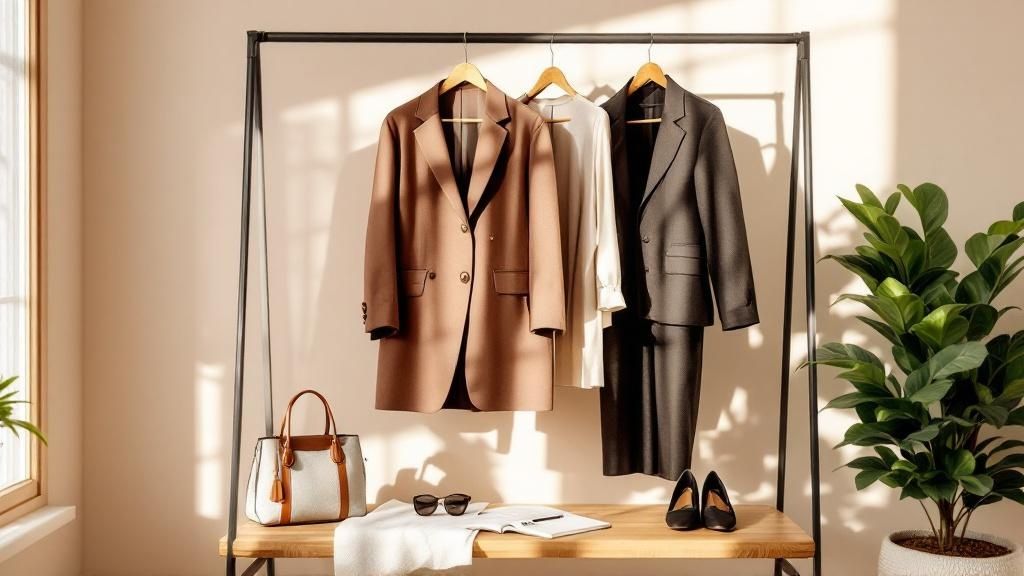
How to Build a High-End Looking Wardrobe Without Buying Designer Brands
Looking stylish doesn’t require a closet full of designer labels or a luxury shopping budget. One of the biggest misconceptions in fashion is that expensive clothing automatically creates an elegant appearance. In reality, a polished wardrobe is built on thoughtful choices, quality basics, proper fit, and attention to detail rather than recognizable brand names.
Many people with refined personal style mix affordable clothing with timeless essentials, creating outfits that appear sophisticated without spending thousands of dollars. By focusing on craftsmanship, versatile pieces, and smart shopping habits, you can achieve a premium look while staying within your budget.
This guide explores practical strategies for building a high-end looking wardrobe without relying on designer brands. Whether you’re starting from scratch or upgrading your existing closet, these tips will help you create a wardrobe that looks expensive, lasts longer, and reflects your personal style.
Why Expensive Doesn’t Always Mean Better
Luxury fashion often includes exceptional craftsmanship and premium materials, but a higher price tag doesn’t automatically guarantee better style. Many affordable brands now produce well-made clothing with modern cuts and quality fabrics.
Instead of focusing on labels, pay attention to:
- Fabric quality
- Proper fit
- Tailoring
- Color coordination
- Construction details
- Clothing care
These factors have a much greater impact on your appearance than the logo inside the garment.
Start with a Capsule Wardrobe
A capsule wardrobe is a collection of versatile clothing that works together to create numerous outfits.
Instead of owning dozens of trendy items, focus on timeless essentials that can be mixed and matched.
Essential Tops
- White button-down shirt
- Black T-shirt
- White T-shirt
- Neutral knit sweater
- Polo shirt
- Lightweight cardigan
Essential Bottoms
- Dark blue jeans
- Black trousers
- Beige chinos
- Tailored shorts
- Neutral skirt (if preferred)
Outerwear
- Structured blazer
- Denim jacket
- Trench coat
- Wool coat
- Lightweight bomber jacket
Footwear
- White leather sneakers
- Black dress shoes
- Loafers
- Chelsea boots
- Comfortable sandals for warm weather
These pieces create a strong foundation that rarely goes out of style.
Prioritize Fit Over Brand Names
Nothing makes clothing look more expensive than a perfect fit.
Even affordable garments can appear premium when they fit properly.
Common Fit Mistakes
- Sleeves that are too long
- Pants that bunch at the ankles
- Jackets with oversized shoulders
- Tight shirts that pull across the chest
- Loose trousers without shape
Consider Basic Tailoring
Simple alterations can dramatically improve inexpensive clothing.
Common adjustments include:
- Hemming pants
- Shortening sleeves
- Taking in shirt sides
- Adjusting jacket length
- Waist alterations
Tailoring often costs far less than buying designer clothing and produces a much more refined appearance.
Choose Neutral Colors First
Luxury wardrobes often emphasize timeless color palettes.
Popular neutral colors include:
- White
- Black
- Navy
- Gray
- Beige
- Cream
- Brown
- Olive
Neutral clothing mixes easily, creating coordinated outfits without requiring dozens of garments.
You can always introduce brighter colors through accessories.
Invest in Better Fabrics
The material of a garment greatly influences how expensive it appears.
Look for fabrics such as:
- Cotton
- Linen
- Wool
- Cashmere blends
- Leather
- Suede
- High-quality denim
Avoid fabrics that wrinkle excessively, become transparent, or lose shape after a few washes.
Reading clothing labels helps you compare fabric quality before purchasing.
Focus on Classic Styles
Fashion trends change rapidly, but classic designs remain stylish year after year.
Examples include:
- Oxford shirts
- Straight-leg jeans
- Tailored blazers
- Trench coats
- Leather loafers
- Minimalist sneakers
- Simple dresses
- Pencil skirts
Classic clothing provides better long-term value and creates a sophisticated appearance.
Pay Attention to Small Details
Small details often separate polished outfits from average ones.
Check for:
- Straight stitching
- Durable buttons
- Quality zippers
- Matching patterns
- Smooth seams
- Well-finished hems
These construction details significantly affect how clothing looks and lasts.
Build Around Quality Basics
Basics receive the most wear in any wardrobe.
Instead of buying many inexpensive basics that wear out quickly, purchase fewer, better-quality essentials.
Prioritize:
- T-shirts
- Jeans
- Shirts
- Sweaters
- Jackets
- Shoes
These items form the foundation of countless outfits.
Keep Your Clothes Looking New
Even premium clothing looks inexpensive if poorly maintained.
Proper care includes:
- Following washing instructions
- Using appropriate detergents
- Ironing or steaming garments
- Storing clothing correctly
- Repairing loose buttons immediately
- Rotating frequently worn pieces
Clean, wrinkle-free clothing instantly looks more refined.
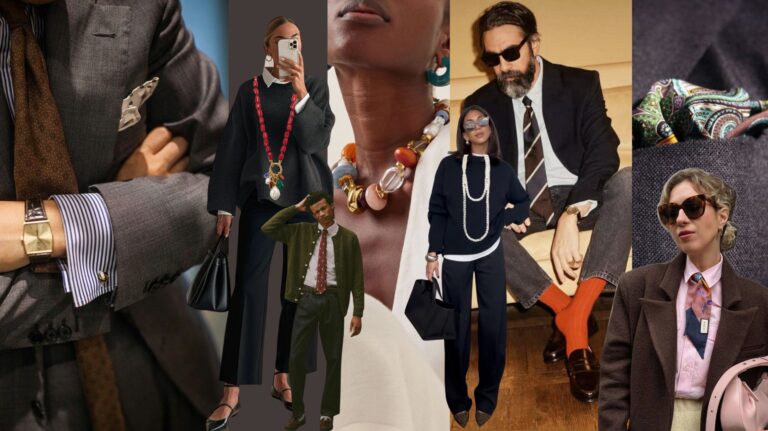
Wear Minimal Accessories
Luxury fashion often embraces simplicity.
Instead of wearing numerous accessories, choose a few high-quality pieces.
Examples include:
- Leather belt
- Classic watch
- Simple necklace
- Stud earrings
- Structured handbag
- Quality sunglasses
Minimal accessories complement an outfit without overwhelming it.
Choose Better Footwear
Shoes receive immediate attention and strongly influence first impressions.
Rather than owning many inexpensive pairs, invest in durable footwear with timeless designs.
Good choices include:
- Leather loafers
- White leather sneakers
- Chelsea boots
- Oxford shoes
- Clean minimalist trainers
Always keep shoes polished and clean.
Avoid Large Logos
One characteristic of understated luxury is subtle branding.
Large logos often dominate an outfit and may quickly become outdated.
Instead, choose clothing with:
- Minimal branding
- Clean designs
- Simple patterns
- Refined finishes
This creates a timeless appearance suitable for many occasions.
Learn Basic Color Coordination
Color coordination enhances every outfit.
Simple combinations include:
Black and White
Elegant and timeless.
Navy and Beige
Professional and versatile.
Gray and White
Modern and clean.
Olive and Cream
Relaxed yet sophisticated.
Brown and Blue
Classic and balanced.
Limiting outfits to two or three primary colors often creates a more polished look.
Shop Smart Instead of Spending More
You don’t need to buy everything at full price.
Consider shopping during:
- Seasonal sales
- End-of-season clearances
- Outlet stores
- Warehouse sales
- Online promotions
Many retailers offer premium-quality clothing at substantial discounts throughout the year.
Explore Second-Hand and Vintage Fashion
Pre-owned clothing offers excellent value.
Many second-hand stores feature:
- Barely worn garments
- Premium fabrics
- Classic tailoring
- Vintage leather goods
- High-quality coats
Shopping second-hand allows you to access better quality without paying retail prices.
Build Your Wardrobe Gradually
Trying to replace your entire wardrobe at once often leads to poor decisions.
Instead:
- Create a shopping list.
- Buy one quality item at a time.
- Replace worn clothing gradually.
- Focus on essentials first.
Building a wardrobe slowly encourages thoughtful purchases.
Organize Your Closet
A well-organized wardrobe makes getting dressed easier.
Group clothing by:
- Type
- Color
- Season
- Occasion
Regularly remove items that no longer fit or match your style.
An organized closet helps you make better use of what you already own.
Develop Your Personal Style
Rather than copying celebrities or social media influencers, identify clothing that reflects your personality and lifestyle.
Ask yourself:
- What colors do I enjoy wearing?
- Which clothing feels most comfortable?
- What suits my daily routine?
- Which outfits make me feel confident?
Personal style always looks more authentic than blindly following trends.
Common Mistakes to Avoid
Avoid these habits when building a premium-looking wardrobe:
- Buying only because something is on sale
- Choosing quantity over quality
- Ignoring proper fit
- Wearing wrinkled clothing
- Following every fashion trend
- Neglecting shoe care
- Buying uncomfortable clothing
- Mixing too many bold colors
- Wearing damaged garments
- Forgetting seasonal fabrics
Recognizing these mistakes helps you make more intentional fashion choices.
Budget-Friendly Shopping Tips
Stretch your budget further with these practical strategies:
- Make a list before shopping.
- Compare prices across retailers.
- Read product reviews.
- Check fabric composition.
- Wait for seasonal discounts.
- Buy timeless pieces instead of trend-driven items.
- Invest in versatile clothing.
- Consider alterations rather than replacements.
- Care for your clothing properly.
- Avoid impulse purchases.
Conclusion
Building a high-end looking wardrobe isn’t about chasing designer labels—it’s about making thoughtful choices that emphasize quality, fit, and timeless style. By investing in versatile basics, choosing durable fabrics, sticking to a cohesive color palette, and maintaining your clothing properly, you can create outfits that look polished and sophisticated without overspending.
Fashion confidence comes from wearing clothes that fit well, suit your lifestyle, and reflect your personality. As you build your wardrobe gradually and shop with intention, you’ll discover that true style has far more to do with how you wear your clothes than how much you paid for them. With patience and smart planning, it’s entirely possible to achieve an elegant, premium look while staying comfortably within your budget.
Frequently Asked Questions
Can affordable clothing look expensive?
Yes. Proper fit, quality fabrics, neutral colors, and good maintenance often make affordable clothing appear much more expensive than it actually is.
What colors create the most luxurious appearance?
Neutral shades such as black, white, navy, beige, gray, cream, and brown tend to create a refined and timeless look.
Should I buy fewer clothes?
Generally, yes. A smaller wardrobe filled with versatile, high-quality pieces often provides better value and more outfit combinations than a closet full of low-quality items.
Is tailoring worth the cost?
In many cases, yes. Simple alterations can significantly improve the fit and appearance of affordable clothing, making it look custom-made.
How often should I replace wardrobe basics?
Replace basics when they become worn, faded, stretched, or no longer fit properly. Well-made essentials can last for years with proper care.