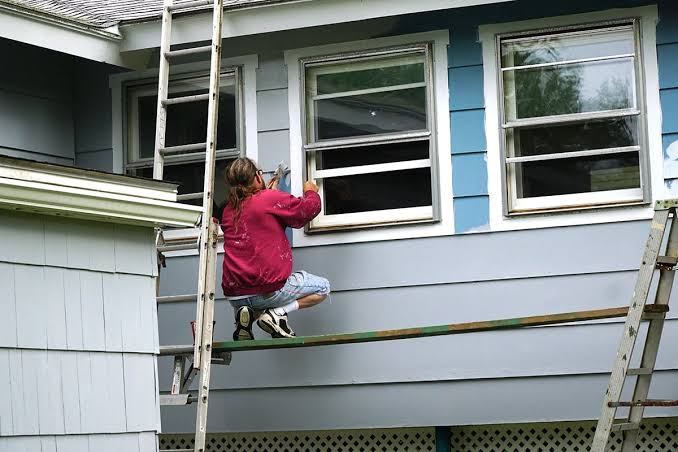
Window Replacement or Repair? A Decision Guide for Aging Homes
Windows play a bigger role in a home than many homeowners realize. They affect comfort, energy bills, natural lighting, security, noise levels, and even the overall appearance of a property. As homes age, windows often become one of the first areas where problems start appearing. Drafts, condensation, damaged frames, difficult operation, and rising energy costs can all indicate that something needs attention.
However, one common question many homeowners face is whether they should repair their existing windows or invest in complete window replacement. The right choice depends on several factors, including the condition of the windows, the age of the home, repair costs, energy efficiency goals, and long-term plans for the property.
Understanding the difference between repairing and replacing windows can help homeowners make a smarter decision instead of spending money on solutions that only provide temporary results.
When Window Repair Makes Sense
Not every window problem requires a full replacement. In many cases, a simple repair can restore performance and extend the life of existing windows.
Window repair is usually a practical option when the main structure of the window is still strong, but specific components have failed or become damaged.
Common repair situations include:
- Broken window locks or handles
- Damaged weatherstripping
- Small cracks in certain areas
- Loose hardware
- Minor frame damage
- Worn-out seals
- Problems with opening and closing
For example, if a window is difficult to open because of a damaged balance system or worn hardware, replacing those small parts may solve the problem without the cost of installing a completely new window.
Older homes with unique architectural features can also benefit from repairs. Historic windows often have designs, materials, and details that are difficult to replicate with modern products. Restoring them can help preserve the character of the property while improving functionality.
Signs That Window Replacement May Be Necessary
While repairs can solve many issues, there are situations where replacement becomes the better long-term investment.
One major sign is when windows have reached the end of their useful life. Most traditional residential windows can last several decades, but age eventually affects their performance. Frames can weaken, seals can fail, and materials can deteriorate beyond practical repair.
Some common signs that replacement may be needed include:
Increasing Energy Bills
Old windows often allow unwanted heat transfer. During winter, warm indoor air can escape through gaps and poor seals. During summer, outside heat can enter the home, making cooling systems work harder.
If heating and cooling costs continue increasing despite normal energy use, outdated windows may be contributing to the problem.
Frequent Condensation Between Glass Panes
Modern insulated windows usually contain multiple glass layers with a sealed space between them. When this seal fails, moisture can appear between the panes.
This is not just a cosmetic issue. A failed seal reduces insulation performance and usually cannot be fixed effectively without replacing the glass unit or the entire window.
Visible Damage or Decay
Wood windows are especially vulnerable to moisture damage. Rotting frames, soft wood, warping, or structural cracks can compromise the window’s strength.
Minor wood damage may be repairable, but extensive deterioration often means replacement is more practical.
Difficulty Operating Windows
Windows that stick, refuse to close properly, or create security concerns may indicate deeper problems. While hardware repairs can help, severely warped frames or outdated designs may require replacement.
Comparing the Costs of Repair and Replacement
Cost is often one of the biggest factors in the decision-making process.
Window repair is generally less expensive because it focuses on fixing specific problems. A homeowner may spend a small amount repairing hardware, sealing gaps, or replacing damaged components.
Window replacement requires a larger investment because it involves removing old units and installing new ones. Costs vary depending on:
- Window size
- Material type
- Number of windows
- Installation complexity
- Glass technology
- Energy efficiency features
Although replacement costs more upfront, newer windows may provide benefits that reduce long-term expenses, such as improved insulation, lower maintenance requirements, and better durability.
A useful approach is to compare the repair cost with the expected remaining lifespan of the existing window. Spending money on repeated repairs for old windows may not be financially practical if replacement would solve the problem permanently.
Energy Efficiency and Modern Window Technology
One of the biggest advantages of replacement windows is improved energy performance.
Modern window designs include features such as:
- Low-emissivity glass coatings
- Improved insulation between glass layers
- Better sealing technology
- Stronger frame materials
- Advanced weather protection
These improvements help maintain indoor temperatures and reduce stress on heating and cooling systems.
However, homeowners should avoid replacing windows only because a product claims to be energy efficient. The installation quality is equally important. Even the highest-quality window can perform poorly if it is installed incorrectly.
Proper measurements, professional installation, and suitable materials for the local climate all influence the final results.
Repair vs Replacement: Questions Homeowners Should Ask
Before making a decision, homeowners should evaluate the current condition of their windows.
Consider asking:
- How old are the existing windows?
- Are problems limited to small components or the entire structure?
- Are repair costs becoming frequent?
- Are energy bills higher than expected?
- Is the home being prepared for sale?
- Are the current windows affecting comfort or noise levels?
- Does the property have original architectural windows worth preserving?
These questions help create a clearer picture of whether repair or replacement offers better value.
The Importance of Professional Window Assessment
Many homeowners try to identify window problems themselves, but some issues are not obvious. A professional inspection can reveal problems with installation, hidden moisture, structural damage, or insulation failures.
A qualified window specialist can evaluate:
- Frame condition
- Glass performance
- Air leakage
- Water intrusion risks
- Installation quality
- Repair possibilities
Getting an expert opinion before making a major investment can prevent unnecessary replacement or repeated repair expenses.
Common Mistakes to Avoid
One common mistake is replacing windows based only on appearance. A window may look outdated but still function well with proper maintenance.
Another mistake is choosing the cheapest replacement option without considering durability. Low-quality materials or poor installation may create problems again within a few years.
Homeowners should also avoid ignoring small window issues. Minor leaks, damaged seals, or moisture problems can become more expensive repairs if left untreated.
Final Thoughts
Deciding between window repair and replacement depends on the condition of the existing windows, the goals of the homeowner, and the long-term value of the investment.
Repair is often the right choice for minor problems, well-maintained windows, or homes where preserving original features matters. Replacement becomes a better option when windows are damaged, inefficient, difficult to operate, or approaching the end of their lifespan.
A careful evaluation can help homeowners avoid unnecessary costs while improving comfort, efficiency, and the overall condition of their property. Whether choosing repair or replacement, the goal should always be the same: creating a safer, more comfortable, and more efficient home for years to come.