Eliminating Bathroom Mold Permanently: Proven Methods to Stop Growth for Good
Bathroom mold is a common household issue that tends to return again and again even after cleaning. It appears in showers, grout lines, ceilings, and silicone seals, and many people struggle to get rid of it permanently. The main reason mold keeps coming back is not just poor cleaning but ongoing moisture problems that create the perfect environment for it to grow. If humidity, ventilation, and leaks are not controlled, mold will always reappear no matter how often you scrub it.
Understanding how mold develops is the first step toward eliminating it permanently. Mold spores exist naturally in the air, but they only grow when they land on damp surfaces with enough warmth and organic material. Bathrooms are ideal for this because they are frequently exposed to steam, water splashes, and condensation. Even small amounts of trapped moisture in grout or behind silicone can allow mold to spread quietly over time.
Why Bathroom Mold Keeps Coming Back
Bathroom mold returns mainly because cleaning alone does not address the root cause. High humidity after showers often stays trapped in the room for hours, especially if ventilation is weak. This moisture settles on cold surfaces like tiles and mirrors, allowing spores to reactivate quickly. Hidden leaks under sinks or behind tiles also contribute to constant dampness, creating conditions where mold thrives continuously.
Another issue is residue buildup. Soap scum, body oils, and dirt provide organic material that feeds mold growth. Even after visible cleaning, microscopic spores remain embedded in porous surfaces like grout and caulking. Once the environment becomes moist again, mold starts growing from these hidden remnants.
Step One: Inspect All Mold-Prone Areas
Before treating mold, it is important to carefully inspect the entire bathroom because mold rarely stays in one place. Common areas include shower corners, grout lines, bathtub edges, sink joints, ceiling corners, and behind the toilet. You should also check under cabinets and around plumbing fixtures where moisture can collect unnoticed.
Signs of hidden mold are not always visible patches. A persistent musty smell, peeling paint, or soft caulking often indicates deeper growth. In some cases, mold can exist beneath silicone or behind tiles, meaning surface cleaning alone will not solve the issue.
Step Two: Remove Existing Mold Properly
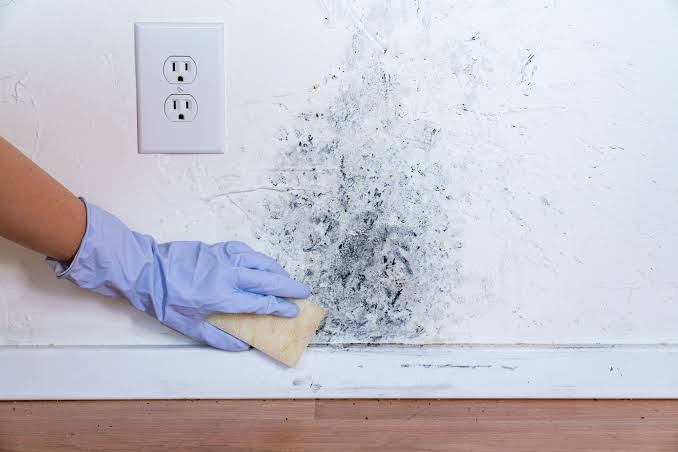
To eliminate mold effectively, it must be killed at the root instead of just wiped away. On non-porous surfaces like tiles, glass, and metal, solutions like vinegar or hydrogen peroxide can work well if given enough time to act. The solution should be sprayed and left for at least 15–30 minutes before scrubbing so it can penetrate and break down spores.
Grout requires more effort because it is porous and absorbs moisture. A stiff brush should be used to scrub deeply into the lines, and the process may need to be repeated for heavily stained areas. Silicone seals are more difficult because mold often grows underneath the surface. If black mold is embedded in silicone, replacing it completely is usually the only permanent solution.
After cleaning, it is essential to dry all surfaces thoroughly. Leaving even a small amount of moisture can allow mold spores to regrow quickly.
Step Three: Control Bathroom Humidity
Humidity control is the most important factor in preventing mold from returning. Bathrooms often exceed safe humidity levels after showers, and if that moisture is not removed, mold growth becomes inevitable. Running an exhaust fan during and after bathing helps remove excess steam, but it should ideally continue for 20–30 minutes afterward.
Opening windows and keeping the bathroom door slightly open can also improve airflow. Wiping down wet surfaces such as tiles, mirrors, and glass reduces the amount of moisture left behind. Small habits like not leaving wet towels inside the bathroom or drying clothes in the same space can make a significant difference over time.
Step Four: Improve Ventilation
Good ventilation ensures that moisture does not stay trapped long enough for mold to grow. If a bathroom has a window, it should be used regularly to allow fresh air circulation. In windowless bathrooms, an exhaust fan becomes essential. However, many mold problems persist simply because the fan is too weak, too small, or clogged with dust.
Regular maintenance of the ventilation system is also important. A dirty fan reduces airflow and allows humidity to remain in the room longer. In some cases, upgrading to a more powerful ventilation system may be necessary for long-term mold prevention.
Step Five: Fix Hidden Moisture Sources
Even with cleaning and ventilation, mold will continue to return if hidden moisture sources are not addressed. Small leaks in pipes, dripping faucets, or water seepage behind tiles can keep surfaces damp without being obvious. These issues often go unnoticed until mold becomes visible again and again in the same areas.
Fixing these problems at their source is essential. Once leaks are repaired and trapped moisture is removed, the environment becomes less favorable for mold growth, making all other prevention efforts more effective.
Step Six: Replace Damaged Materials When Necessary
In some cases, mold cannot be fully removed from certain materials. Silicone sealant that has turned black, heavily stained grout, or water-damaged drywall often needs to be replaced instead of cleaned. Trying to scrub these materials repeatedly may improve appearance temporarily, but it does not remove deep contamination.
Replacing affected sections ensures that mold spores are completely removed from the environment rather than hidden beneath the surface where they can grow again later.
Step Seven: Use Protective Treatments
Once the bathroom is clean and dry, protective treatments can help prevent mold from returning. Mold-resistant paints are useful for walls and ceilings, while anti-mold silicone helps protect wet areas like bathtubs and sinks. Grout sealers also reduce moisture absorption and make surfaces easier to clean in the future.
These protective layers do not eliminate mold on their own, but they significantly reduce the chances of regrowth when combined with proper moisture control.
Step Eight: Maintain Daily Prevention Habits
Long-term mold prevention depends on consistent habits. Keeping the bathroom dry after use, wiping surfaces, washing bath mats regularly, and ensuring proper airflow all help maintain a low-moisture environment. Even small routines can prevent mold from finding the conditions it needs to grow.
A well-maintained bathroom should stay dry and well-ventilated most of the time, which naturally discourages mold formation.
FAQs
Can bathroom mold be eliminated permanently?
Yes, but only if both the mold and the underlying moisture problem are addressed. Cleaning removes visible mold, while controlling humidity and ventilation prevents it from returning.
Why does mold keep coming back after cleaning?
Because the environment is still moist. High humidity, hidden leaks, or poor ventilation allow spores to regrow even after thorough cleaning.
Is vinegar enough to remove bathroom mold?
Vinegar works well on many surface molds, especially on tiles and glass, but it may not fully eliminate deep mold in grout or silicone.
Do I need to replace silicone with mold in it?
Yes, if mold has grown inside silicone, replacement is usually necessary because surface cleaning cannot fully remove embedded spores.
What humidity level prevents mold growth?
Keeping humidity below 50 percent significantly reduces the chances of mold developing in bathrooms.
Can mold affect health?
Yes, prolonged exposure to mold can cause allergies, breathing issues, and irritation, especially in sensitive individuals.
How often should I clean my bathroom to prevent mold?
Light weekly cleaning combined with good ventilation is usually enough to prevent mold growth in most homes.
Final Thoughts
Eliminating bathroom mold permanently is not just about cleaning visible stains but about controlling the environment that allows mold to grow. When humidity is reduced, ventilation is improved, and hidden moisture sources are fixed, mold loses its ability to survive. Combining proper cleaning techniques with long-term prevention habits creates a bathroom that stays cleaner, healthier, and mold-free.
The most effective approach is consistency. A dry, well-ventilated bathroom with regular maintenance will rarely develop mold problems again.